Diabetes is a chronic disease that occurs when the body doesn’t produce enough insulin or can’t use insulin properly. This results in high blood sugar levels, which can damage the heart, eyes, kidneys, nerves, and blood vessels over time.
There are several types of diabetes, including type 1 and type 2, as well as gestational diabetes, maturity-onset diabetes of the young (MODY), neonatal diabetes, and steroid-induced diabetes. Type 2 diabetes is the most common type and usually develops in adults, while type 1 diabetes, also known as juvenile diabetes, can start at any age but often begins in childhood or the teenage years.
Glucose (sugar) mainly comes from carbohydrates in your food and drinks. It’s your body’s go-to source of energy. Your blood carries glucose to all your body’s cells to use for energy.
When glucose is in your bloodstream, it needs help — a “key” — to reach its final destination. This key is insulin (a hormone). If your pancreas isn’t making enough insulin or your body isn’t using it properly, glucose builds up in your bloodstream, causing high blood sugar (hyperglycemia).
Over time, having consistently high blood glucose can cause health problems, such as heart disease, nerve damage and eye issues.
What happens?
The pancreas produces insulin, a hormone that helps glucose get into cells for energy. When the body doesn’t produce enough insulin or can’t use it properly, glucose builds up in the blood instead of reaching cells.
- What is the main cause of diabetes?
Overweight, obesity, and physical inactivity
You are more likely to develop type 2 diabetes if you are not physically active and are overweight or have obesity. Extra weight sometimes causes insulin resistance and is common in people with type 2 diabetes.
- What are the first signs of being diabetic?
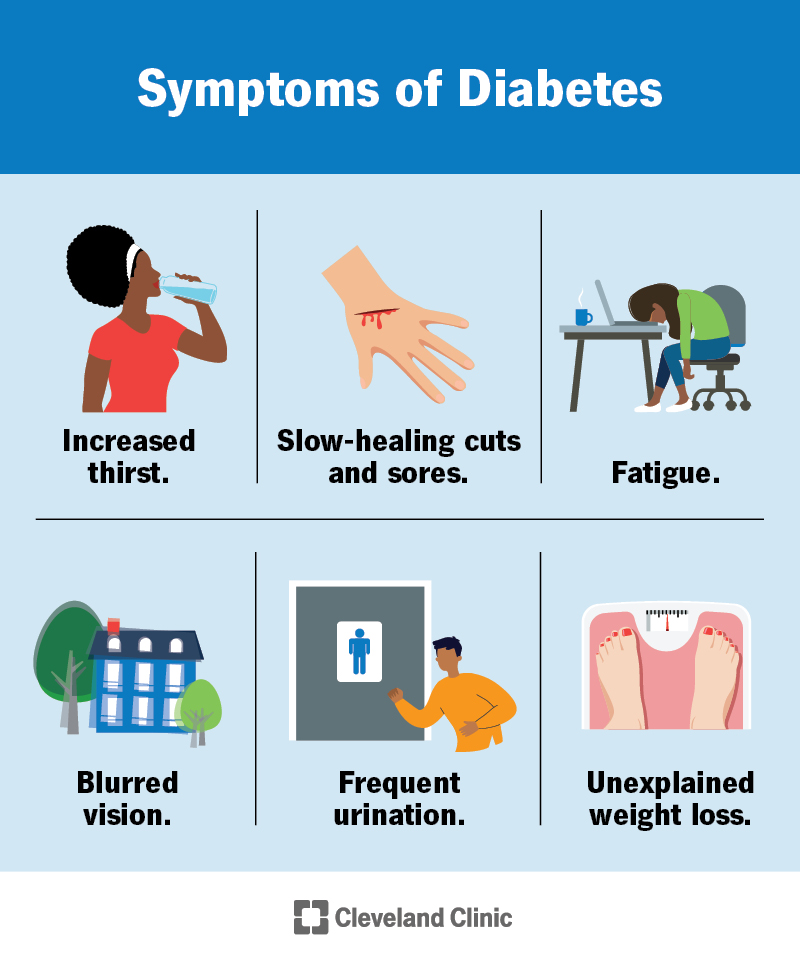
If you have any of the following diabetes symptoms, see your doctor about getting your blood sugar tested:
- Urinate (pee) a lot, often at night.
- Are very thirsty.
- Lose weight without trying.
- Are very hungry.
- Have blurry vision.
- Have numb or tingling hands or feet.
- Feel very tired.
- Have very dry skin.
To manage diabetes, people can:
- Maintain a healthy weight
- Eat a healthy, balanced diet
- Exercise at least 150 minutes per week
- Avoid smoking and limit alcohol consumption
- What should diabetics drink first thing in the morning?
Drinking enough water is important for everyone, but it’s especially important for people with diabetes. Aim for at least eight cups of water per day and try to drink a glass of water first thing in the morning.
- Which fruit is highest in sugar?
The fruits with the highest sugar content include mangoes, pomegranates, oranges, and pears. If someone has diabetes, they can still have these fruits, but they may wish to ask their doctor if they should eat them in smaller portions.
- Which fruit can reduce sugar?
Berries. Don’t make your trip to the store fruitless. Dad jokes aside, foods like blueberries provide fiber and antioxidants known to lower blood sugar and inflammation. Similarly, one study found strawberries reduced diabetes complications like kidney disease and nerve damage.
- Is banana good for diabetes?
Takeaway. A person with diabetes should include a variety of fresh, whole foods in their diet, such as nutrient-dense fruits and vegetables. Bananas are a safe and nutritious fruit for people with diabetes to eat in moderation as part of a balanced, individualized eating plan.
- Is plantain good for diabetics?
Making sure blood sugar levels don’t go too low or too high is an important goal if you’re living with type 2 diabetes. Foods like plantains that digest slowly have a low glycemic index (GI). A GI under 55 is considered low. Plantains have a GI in the 40s, making them a good food choice if you have diabetes.