
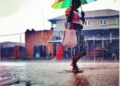
The rainy season has indeed arrived and if the downpours of the last few weeks are any indication, we are in for a very wet rainy season this year. While the rains are a boon to farmers and welcomed by practically everyone who has been praying for ample water supply and respite from the sweltering heat, they bring with them a host of disease.
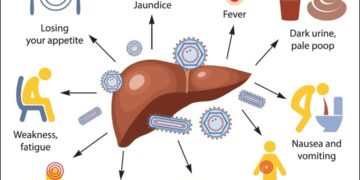
Some of the diseases associated with the raining season are: malaria, jaundice, gastro intestinal infections such as typhoid and cholera. Apart from these, viral infections such as cold and cough also make their presence felt. Some other diseases that may occur during this time are leptospirosis and conjunctivitis.
The food and water-borne diseases that are widespread during wet weather include a variety of infections that attack primarily the gastrointestinal tract resulting in diarrhea and/or vomiting that, at times, could be life-threatening. Among the germs that cause diarrheal diseases are several species of salmonella and shigella that are transmitted by ingestion and contaminated food and water. One particular type of salmonella, Salmonella typhi causes the dreadful typhoid fever. Typhoid fever is characterized by high-grade fever, headache, abdominal pain and diarrhea or constipation. A significant percentage of patients who contract this disease develop serious complications that include pneumonia, meningitis and infection of the liver and gall bladder, bones, heart valves and kidneys.
Another serious food and water-borne infection is Cholera. This disease is caused by several serotypes of the bacteria Vibrio cholerae. The most common offending types are the classical and el Tor serotypes. Cholera typically presents as sudden and profuse diarrhea. In severe cases of cholera, patients become dehydrated very rapidly and, if untreated, die in a matter of hours.
Our body’s intestinal and digestive system becomes weak during the rainy season, which makes us highly susceptible to all kinds of infections. So we should eat light and avoid spicy greasy, fried and fatty foods as they have heated thermal effect on our body and make us feel sluggish.
Contamination of water and unhygienic conditions are very often the cause of many rains-associated ailments. Skin conditions, asthma and arthritis also get aggravated because of excess humidity.
During the rains, humidity reaches its peak and has an adverse impact on hair health. Use of styling gel or perming or straightening activity on hair should be strictly restricted.
One should also ensure regular cleansing of scalp with shampoos followed by a conditioner, as there is high chance of dandruff due to dirt accumulated in scalp pores. Do not leave your clothes wet and carry an umbrella. The changing weather causes allergies and acidity problems too.
In order to prevent water-borne diseases, do not drink water, which is not properly boiled and stored. Drinking water should be boiled and properly filtered. Avoid consuming food that is exposed to the surroundings for quite a long time, since food that is exposed for a long time is contaminated by germs, which may cause various infections.
Flies are the most common carriers of germs that mostly cause contamination. Therefore remember to cook the vegetables well and steam them properly to kill the germ content in them, if any.
Diabetic patients need to take extra care of their feet during this season. These patients should take specific care as not to walk bare-foot since the soil on which they walk is a reservoir of all types of germs.
Although the rains carry with them the risk of contracting diseases, it is possible to minimize this risk by observing several simple measures:
1. Employ rain gear such as umbrella and raincoats to avoid exposure to rain and cold weather.
2. Avoid crowded and poorly ventilated areas.
3. Drink only safe water, boil water if its safety is in doubt.
4. If you need to eat out, patronize reputable restaurants only. Refrain from eating food bought from peddlers.
5. Drain stagnant water from open containers such as drums and old tires, which are the breeding places of mosquitoes. Ensure that drains and gutters and sewage lines are not clogged.
6. Do not wade or swim in floodwaters.
7. At all times, observe good personal hygiene and environmental sanitation.








Discussion about this post