The Nigeria Customs Service (NCS) has disclosed that it has committed N3.2 billion into its ongoing Trade Modernization Programme (TMP); which is a comprehensive automation initiative aimed at streamlining documentation and enhancing efficiency in goods clearance across the nation’s ports.
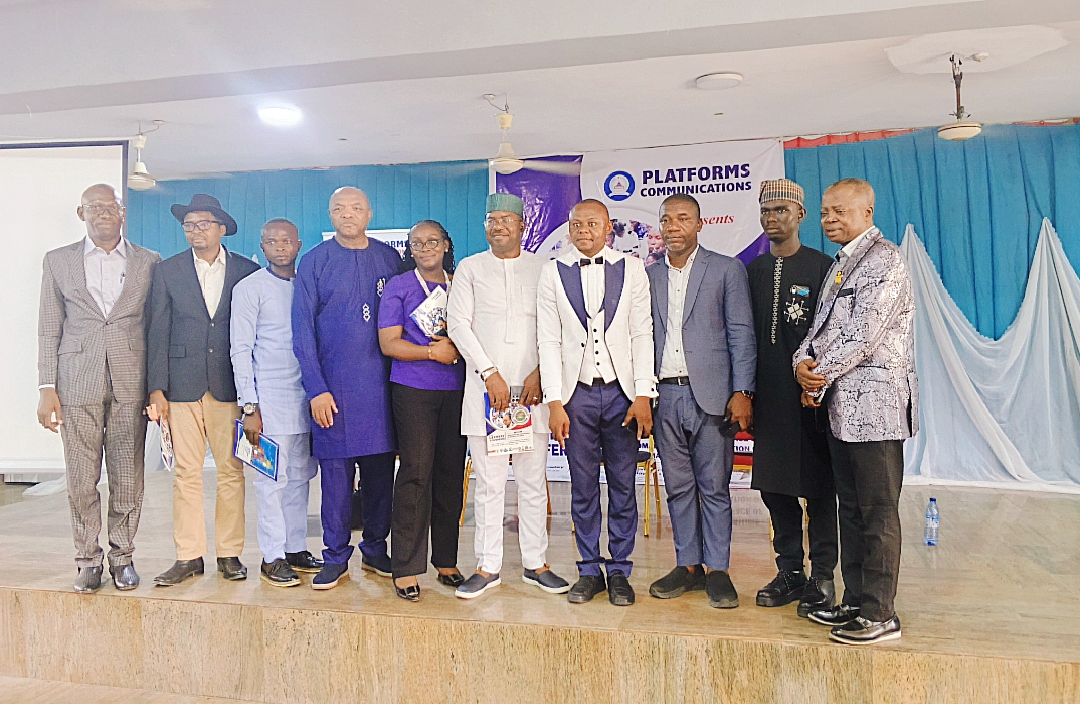
Comptroller-General of Customs, Adewale Adeniyi, made this known on Tuesday in Lagos at the 9th AMSAY Conference organized by Platform Communications.
Represented by Assistant Controller Abbas Oyindamola, Adeniyi said the ambitious programme is projected to generate N250 billion in revenue while drastically improving cargo processing and logistics within the Nigerian maritime sector.
According to him, the 20-year concession-driven modernization effort includes the acquisition of over 67 cargo scanners to eliminate delays caused by manual inspections. He added that the Apapa Customs Command has already begun reaping the benefits of the programme, with revenue generation reaching N1.3 trillion under the new system.
Adeniyi noted that one of the key achievements of the modernization project is the significant reduction in clearance timelines. Goods that previously took up to 21 days to be cleared can now be processed within 7 to 10 days. He also revealed that under the new automation model, vehicles and general cargoes can now be cleared within an hour and seven hours, respectively, at the PTML terminal.
The Customs boss further explained that the programme integrates the National Single Window project and the B’Odogwu Scheme, both of which aim to create a unified and paperless customs clearance process. While the National Single Window is designed to consolidate approximately 150 government agencies into a single online portal, the B’Odogwu scheme is a web-based, user-friendly platform already deployed at the PTML terminal and soon to be extended to Tin Can Island Port.
Speaking on the significance of these innovations, Adeniyi emphasized the collaboration between NCS and the Federal Inland Revenue Service (FIRS) to integrate all relevant agencies into the digital platform, ensuring greater transparency and efficiency in maritime operations.
Meanwhile, in a separate presentation during the conference themed “Automation and Digitalisation of Maritime Operations,” Engr. Emmanuel Emesiri urged Nigerian students to remain focused and identify core areas of competence within the maritime industry.
Engr Emesiri encouraged young professionals to align their skills with emerging technological trends to stay relevant in an evolving sector increasingly driven by automation and digital transformation.