Frequent ejaculation may help reduce the risk of prostate cancer in men, says Dr. Uche Nwokwu, National Coordinator of the National Cancer Control Programme at the Ministry of Health and Social Welfare.
Nwokwu made this known on Sunday in Abuja during an interview with the News Agency of Nigeria (NAN), in response to viral social media claims suggesting that men needed to ejaculate 21 times a month to prevent prostate cancer.
NAN reports that prostate cancer remains one of the deadliest cancers affecting men globally and continues to be a growing health concern in Nigeria.
According to the Global Cancer Observatory (GLOBOCAN) 2022 report, it is the most common cancer among men and the second most common overall, accounting for 14 per cent of the nation’s cancer burden.
In 2022 alone, Nigeria recorded more than 18,000 new cases and more than 11,000 deaths from the disease, making it one of the leading causes of cancer-related deaths among men in the country.
Late diagnosis, limited screening, and low awareness are major contributors to poor outcomes.
Nwokwu explained that certain lifestyle choices, including ejaculation frequency, might contribute to reducing the risk of prostate cancer.
Citing a large-scale 2016 study published in the Journal of the American Medical Association (JAMA), he noted that men who reported 21 or more ejaculations per month in their 20s and 40s had a lower risk of developing prostate cancer.
He said the study found that those men had a 20 per cent reduced risk compared to those who ejaculated only four to seven times monthly.
He added that studies defined “frequent ejaculation” as more than 20 times per month, and that higher frequencies appeared to be linked to greater potential reductions in risk.
However, he cautioned that those studies showed associations and did not establish causation.
“Other risk factors such as age, family history, race, particularly for African and African-American men who are at higher risk, as well as diet, obesity, and overall lifestyle must also be considered.
“Ejaculation is only one piece of a bigger picture,” he said.
Nwokwu further stated that no such study had yet been conducted in Nigeria, though global evidence consistently showed that prostate cancer tended to be more common and more aggressive among Black men than among Caucasians.
He emphasised the urgent need for Nigeria to invest in local research, improve early detection, and strengthen cancer treatment services while encouraging men to adopt healthier lifestyles.
“The key message is that prevention and early detection save lives.
“Lifestyle adjustments can help, but regular screening and timely medical care remain essential,” he said.
He urged Nigerians to rely on evidence-based information and avoid misinformation that could trivialise such a serious public health issue.
Random Questions About Prostate Cancer
What are the main cause of prostate cancer
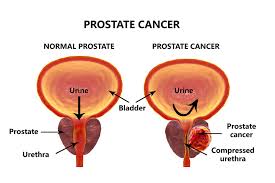
There isn’t a single main cause of prostate cancer; rather, it develops from random changes in the DNA of prostate cells that allow them to grow and divide uncontrollably, forming a tumor. While the exact cause is unknown, a combination of risk factors, including older age, a family history of the disease, certain ethnicities (particularly Black men), and potentially factors like obesity and diet, are known to increase a man’s risk.
Want are some early warning signs of prostate cancer may include
- Blood in urine. If your urine is pink or red, you should see a primary care doctor or urologist. …
- Difficulty urinating. …
- Pelvic pain. …
- Frequent urination. …
- Weak urine stream. …
- Bone pain. …
- Blood in semen. …
- Painful or burning urination.
What is the red flag of prostate cancer?
Erectile dysfunction (being unable to get or keep an erection), blood in your urine or blood in your semen. Lower back pain and losing weight without trying to. All tthese may be symptoms of advanced prostate cancer
How long can someone with prostate cancer live?
More than 95 out of 100 (more than 95%) will survive their cancer for 1 year or more. around 90 out of 100 (around 90%) will survive their cancer for 5 years or more. almost 80 out of 100 (almost 80%) will survive their cancer for 10 years or more.
Can you live without a prostate?
Yes, you can live a healthy life without a prostate, as prostate removal (prostatectomy) is a common procedure for conditions like prostate cancer, and does not affect life expectancy. However, individuals without a prostate gland may experience side effects, including permanent infertility, erectile dysfunction, and urinary incontinence, which are often manageable or treatable.
Can a man with no prostate get a woman pregnant?
No, a man who has had his prostate surgically removed (prostatectomy) cannot get a woman pregnant through sexual intercourse because the prostate produces the fluid that makes up most of the semen, which carries sperm out of the body. Without the prostate, the sperm cannot leave the body, resulting in a “dry orgasm” with no ejaculation. While the testicles still produce sperm, they are reabsorbed by the body. However, it is possible to conceive using fertility treatments by retrieving sperm directly from the testicles or through pre-surgery sperm banking.