After years of chaotic traffic around the Lagos ports, the Nigerian Ports Authority (NPA) says its electronic innovations — the Ètò Call-Up System and newly deployed electronic barrier system — have significantly restored order and efficiency to the Apapa corridor.
The NPA, in partnership with Trucks Transit Parks Limited (TTP), has fully automated truck entry and movement across all terminals within the Lagos Port Complex, a move officials and stakeholders describe as a major milestone in port traffic management.
From Chaos to Control
At the height of the Apapa gridlock between 2018 and 2019, port access roads were virtually impassable. Numerous ad-hoc measures introduced to control truck traffic failed, leading to widespread frustration among port users and residents.
In 2021, the NPA, in collaboration with TTP, launched the Ètò Electronic Call-Up System — a digital truck scheduling and access management platform designed to streamline truck movement into and out of Nigerian ports.
Despite initial resistance from vested interests that benefitted from the old chaotic system, the NPA enforced compliance, resulting in a visible improvement in traffic flow around the Apapa and Tin-Can Island Ports.
The Ètò system, complemented by the deployment of electronic barriers at all terminal gates, has replaced manual checks with automated verification. Each truck must possess a valid Ètò ticket to gain access, ensuring that only scheduled vehicles enter the ports.
Infrastructure Backing the System
To support the new regime, the NPA, in partnership with the Lagos State Government and other stakeholders, developed about 29 truck parks across the state, all equipped with Ètò infrastructure — including automated gates, CCTV cameras, and other IT facilities.
According to the Authority, these truck parks serve as holding bays where trucks wait for electronic clearance before proceeding to the ports, reducing road congestion and disorderly queuing.
While isolated cases of system abuse still occur, industry operators acknowledge that the call-up system has drastically reduced gridlock around Apapa.
Integration of Electronic Barriers
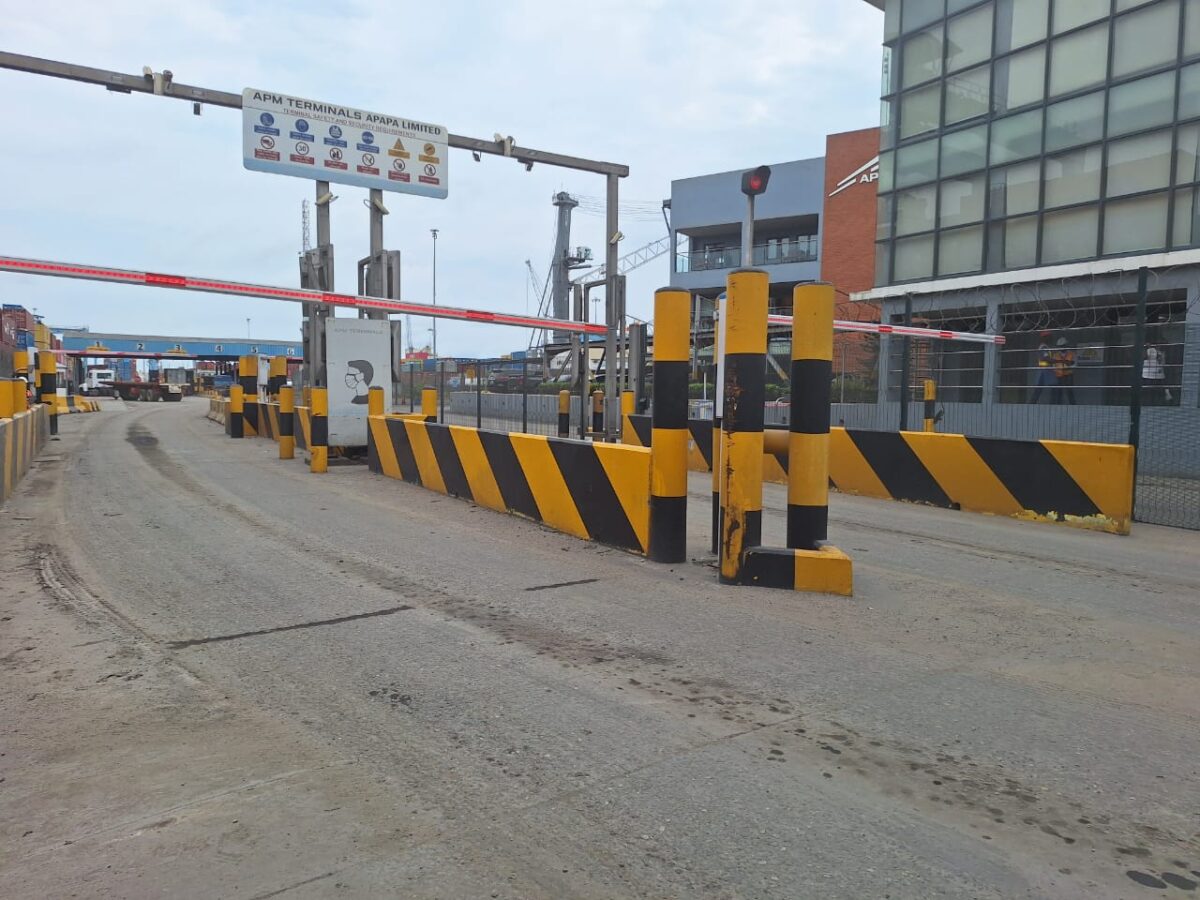
The latest phase of automation came with the full deployment of electronic barrier systems across all terminal access points in September 2025. The integration links the physical barriers directly to the Ètò platform, providing an added layer of enforcement against unauthorized truck entry.
Before this integration, illegal diversions and unscheduled truck movements frequently disrupted operations. With the barriers in place, only trucks with verified Ètò tickets assigned to a specific terminal can gain entry.
Mrs. Stella Oladiran, NPA’s General Manager, Operations, said the development represents “a major leap in port automation.”
“For years, unauthorized truck movements and human interference undermined port efficiency. With the barrier system now active, we have end-to-end control — from booking to terminal exit,” she explained.
She listed the key benefits as improved control of truck movements, enhanced data integrity, transparency in inter-terminal traffic, and overall gains in port productivity and accountability.
How the System Works
Each terminal gate is fitted with an automated electronic barrier linked to the Ètò platform. Once a truck with a valid electronic ticket approaches, the system verifies the details and lifts the barrier automatically. Unauthorized vehicles are denied entry, reducing the need for manual checks and minimizing corruption opportunities.
The system also provides real-time data on every truck’s entry, exit, and inter-terminal movement, helping the Authority monitor and coordinate logistics activities more efficiently.
Beyond Road Transport
The NPA’s reform of port logistics is not limited to road traffic. The Authority has also intensified the use of rail and barges for cargo movement to and from the ports — part of its strategy to promote multimodal transport.
A recent success was recorded when a Kano-based exporter moved 100 tons of millet from Kano to Lagos Port by rail. The exporter said the cost was about 50 per cent lower than what trucking would have cost, describing the rail option as “efficient and cost-effective.”
To complement this, the NPA has licensed multiple barge operators and developed a regulatory framework to ensure that all barges are seaworthy and equipped with communication devices to avoid breakdowns along the waterways.
Additionally, a new policy on empty container management now compels shipping lines to return at least 80 per cent of the containers they bring in on every voyage, to reduce congestion caused by stacked empties around the port area.
Stakeholders React
While some reports recently alleged a return of gridlock to Apapa, port stakeholders have described such claims as false and misleading.
Mr. Adebowale Lawal, Port Manager of the Lagos Port Complex, said the Authority remains fully committed to sustaining order and ensuring a seamless traffic flow.
“We have enhanced the Ètò system to directly integrate terminal gates, allowing structured sequencing of truck movements. This guarantees transparency, efficiency, and a sustainable operating environment,” Lawal stated.
He emphasized that the success of the system depends largely on the cooperation of all stakeholders — including terminal operators, truck unions, drivers, clearing agents, and relevant government agencies.
Similarly, the Chairman of the Association of Maritime Truck Owners (AMATO), Chief Remi Ogungbemi, dismissed media reports suggesting a breakdown of the system.
“All the access roads leading to Apapa Port — Wharf Road, Creek Road, and others — are orderly and passable. Trucks are moving in regulated lanes in compliance with traffic directives. What some describe as gridlock is actually structured movement,” he said.
Ogungbemi urged the public and media to disregard “misleading narratives” and instead acknowledge the visible improvements brought about by the electronic systems.
NPA Reiterates Commitment
The General Manager, Corporate and Strategic Communications, NPA, Mr. Ikechukwu Onyemekara, said the era of disorder and manual interference in port truck operations is over.
“The electronic call-up system is a global best practice. With the barriers now in place at all terminals, practices that encourage chaos are no longer possible. We are committed to sustaining this progress and continuing our engagement with genuine stakeholders for the growth of the maritime sector,” he said.
As automation deepens and multimodal transport expands, the NPA’s initiatives appear to have set the Lagos ports on a new path — one driven by technology, transparency, and discipline — after years of costly gridlock.