Body mass index (BMI) is a tool that healthcare providers use to estimate the amount of body fat by using your height and weight measurements. It can help assess risk factors for certain health conditions. The BMI isn’t always an accurate representation of body fatness.
What is body mass index (BMI)?
Body mass index (BMI) is a medical screening tool that measures the ratio of your height to your weight to estimate the amount of body fat you have. Healthcare providers calculate BMI by using weight in kilograms (kg) divided by the square of height in meters (m2).
In most people, BMI correlates to body fat — the higher the number, the more body fat you may have — but it’s not accurate in some cases. BMI alone doesn’t diagnose health. Healthcare providers use BMI and other tools and tests to assess someone’s health status and risks.
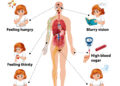
High body fat may lead to heart disease, stroke and Type 2 diabetes. Low body fat may be related to malnutrition. Just the right amount of body fat helps vitamins and minerals get into your body. It also provides a source of energy for your body, helps maintain body temperature and protects your organs.
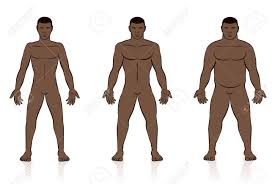
Diagnosing weight types with BMI
In general, the following BMI ranges (in kg/m2) classify different weight types:
- Underweight: Less than 18.5
- Optimum range: 18.5 to 24.9
- Overweight: 25 to 29.9
- Class I obesity: 30 to 34.9
- Class II obesity: 35 to 39.9
- Class III obesity: More than 40
Screening for health risks with BMI
If you have a BMI less than 18.5 (underweight), you may be at a higher risk for developing the following conditions:
- Malnutrition
- Anemia
- Weakened immune system, which could lead to more frequent infections and illnesses
- Osteoporosis
- Infertility
NOTE THAT: The higher your BMI, the higher your risk for the following conditions:
- Heart disease
- High blood pressure (hypertension)
- Type 2 diabetes
- Gallstones
- Osteoarthritis
- Sleep apnea
- Certain cancers, including colon, breast, endometrial and gallbladder
- Depression and other mental health conditions