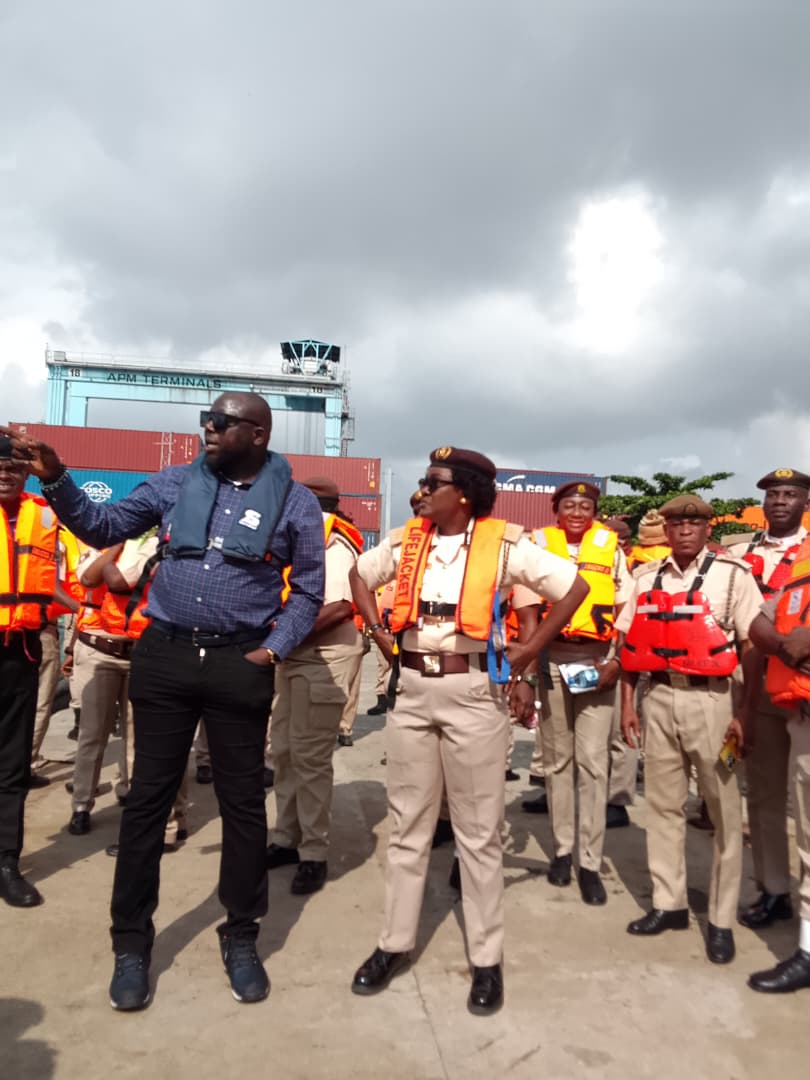
The Maritime Security Providers Association of Nigeria (MASPAN) has joined forces with key security agencies to launch a renewed sensitisation campaign across coastal communities surrounding the Apapa and Tin Can Island ports, warning youths against the growing and increasingly deadly trend of stowaway attempts on vessels leaving Nigeria.
The outreach, conducted on 26 November 2025, was led by the Comptroller of Immigration Service, Lagos Seaports, Clementina C. Ogudu, and involved personnel of the Nigeria Immigration Service (NIS), Nigeria Customs Service (NCS), Nigerian Police Force (NPF) and MASPAN President, Mr. Emmanuel Maiguwa. The joint team visited four communities — Sabonkorji, Itun-Agan, Igbo Elejo and Nati — which are considered high-risk zones for irregular maritime migration due to their proximity to port access channels.
The campaign, tagged “Comot Your Eye for Ship Propell,” was designed to correct misconceptions and directly warn residents — especially youths — about the extreme dangers and consequences of attempting to hide on vessels in search of opportunities abroad. Security officials explained that modern ship designs, global safety rules and improved surveillance systems now make stowing away virtually impossible to survive, with many attempts ending in severe injury or death.
During the engagements with traditional rulers, youth groups and community representatives, the agencies highlighted the broader implications of stowaway incidents, including increased operational costs for ship owners, vessel delays, insurance penalties, and reputational damage for Nigeria within the global maritime community.
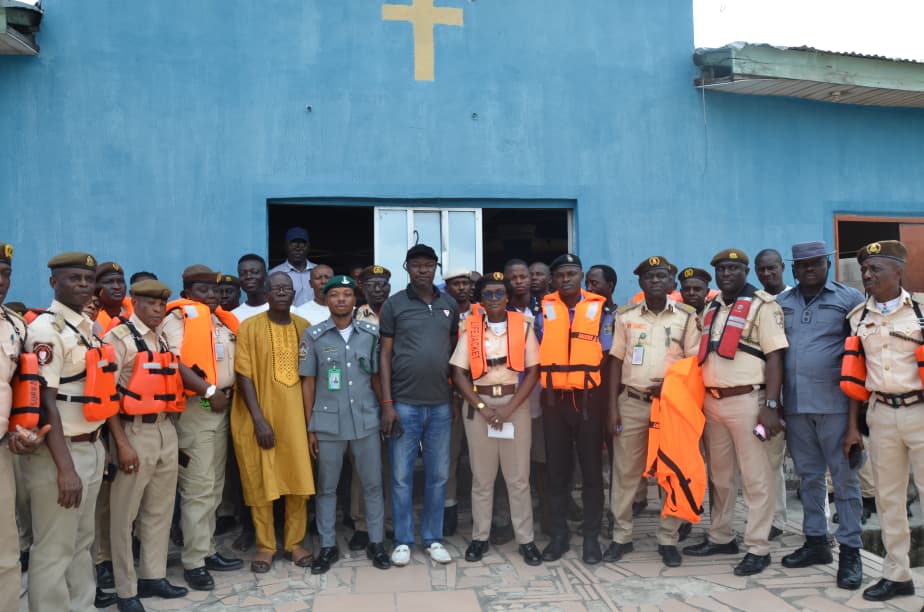
MASPAN President, Emmanuel Maiguwa, cautioned that the popular belief that one can easily stowaway and emerge safely in Europe “belongs to the past.” He appealed to youths to abandon such ideas and instead work with community leaders to acquire skills that will improve their employability both within and outside the maritime and oil industries. He stressed that several corporate organisations operating in the area are willing to support capacity-building efforts if communities prioritise skills acquisition rather than making constant demands for job placements without requisite qualifications.
Maiguwa further advised community leaders to broaden their focus to emerging skills and future employment trends, noting that empowering young people with practical and competitive abilities would create sustainable livelihoods and reduce desperation-driven migration attempts.
Residents of the communities expressed appreciation for the visit and pledged to intensify local awareness campaigns. The agencies also displayed posters and banners to reinforce the messages delivered during the engagements.
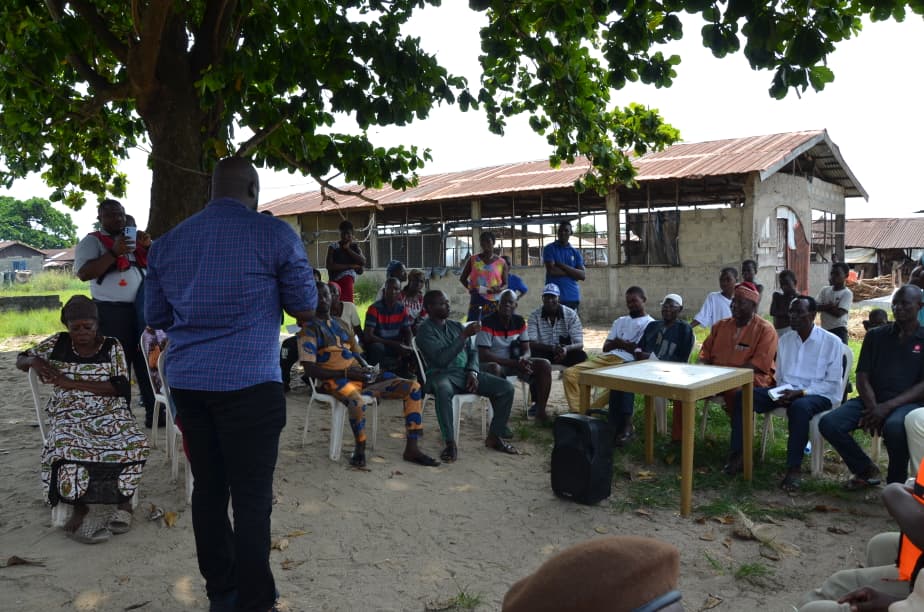
Despite the success of the outreach, officials acknowledged several underlying challenges. Economic hardship, unemployment and persistent social pressures continue to push some youths toward dangerous maritime migration routes. The agencies noted that sensitisation alone may not completely deter attempts unless accompanied by sustained community involvement, consistent enforcement at maritime access points and continuous monitoring.
To strengthen the initiative, the joint team recommended regular community sensitisation visits, partnerships with local authorities for youth empowerment programmes, targeted dissemination of verified information through grassroots channels and closer collaboration among security agencies, civil society groups and traditional institutions to create a robust community-watch structure that can detect and discourage stowaway plans.