By Joshua Yousouph
The Nigerian Revenue Service (NRS), in collaboration with the Nigerian Shippers’ Council and the National Single Window (NSW) Committee, has commenced negotiations with terminal operators and shipping companies to secure duty waivers and concessions for importers affected by cargo delays at the nation’s seaports.
The move follows disruptions arising from the ongoing migration from legacy systems operated by regulatory agencies such as SON and NAFDAC to the newly-introduced National Single Window platform.
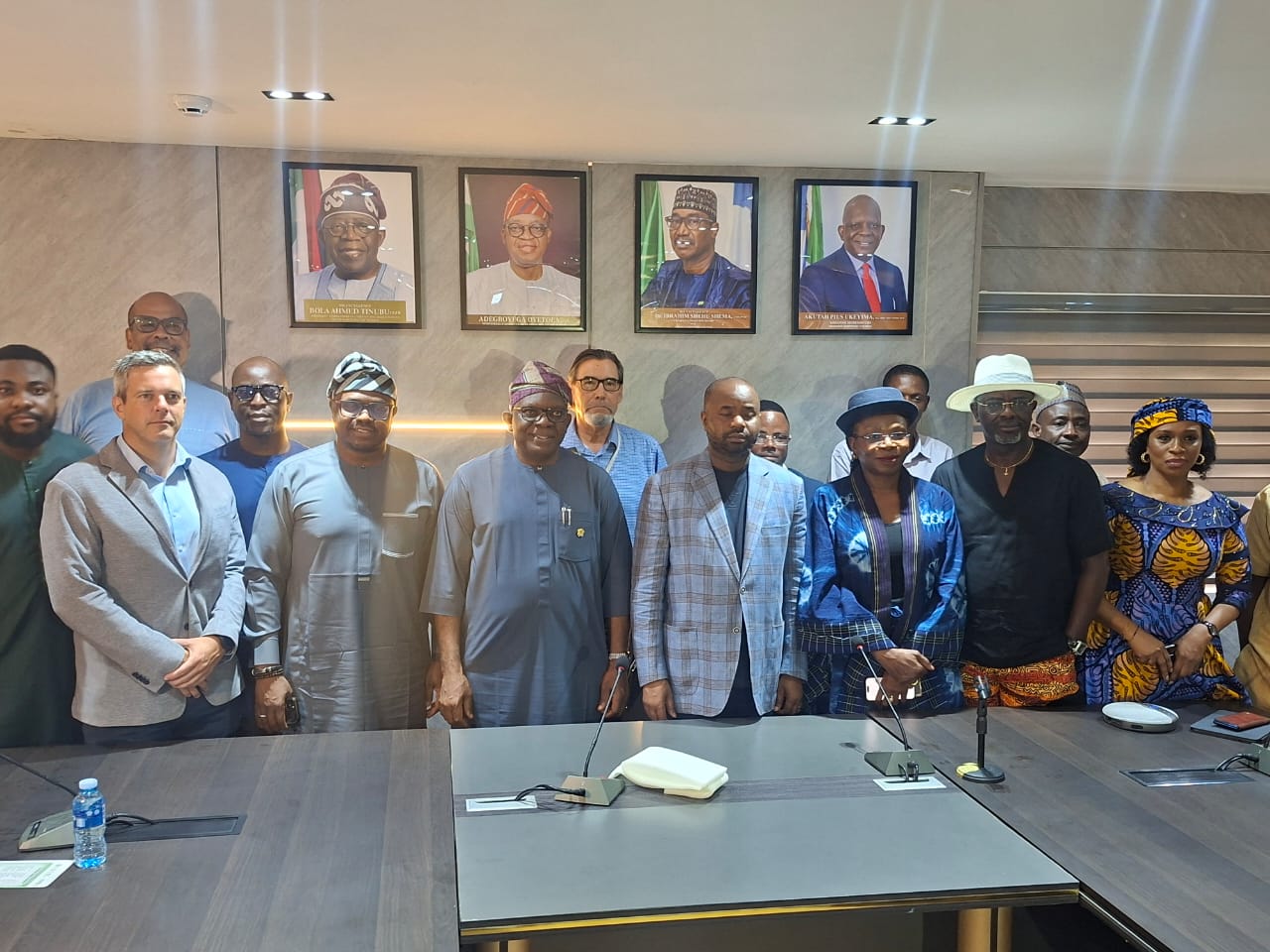
At a stakeholders’ engagement held on Friday in Lagos, key players in the maritime sector deliberated on the growing burden of demurrage and detention charges incurred by importers whose cargoes have been delayed during the transition phase.
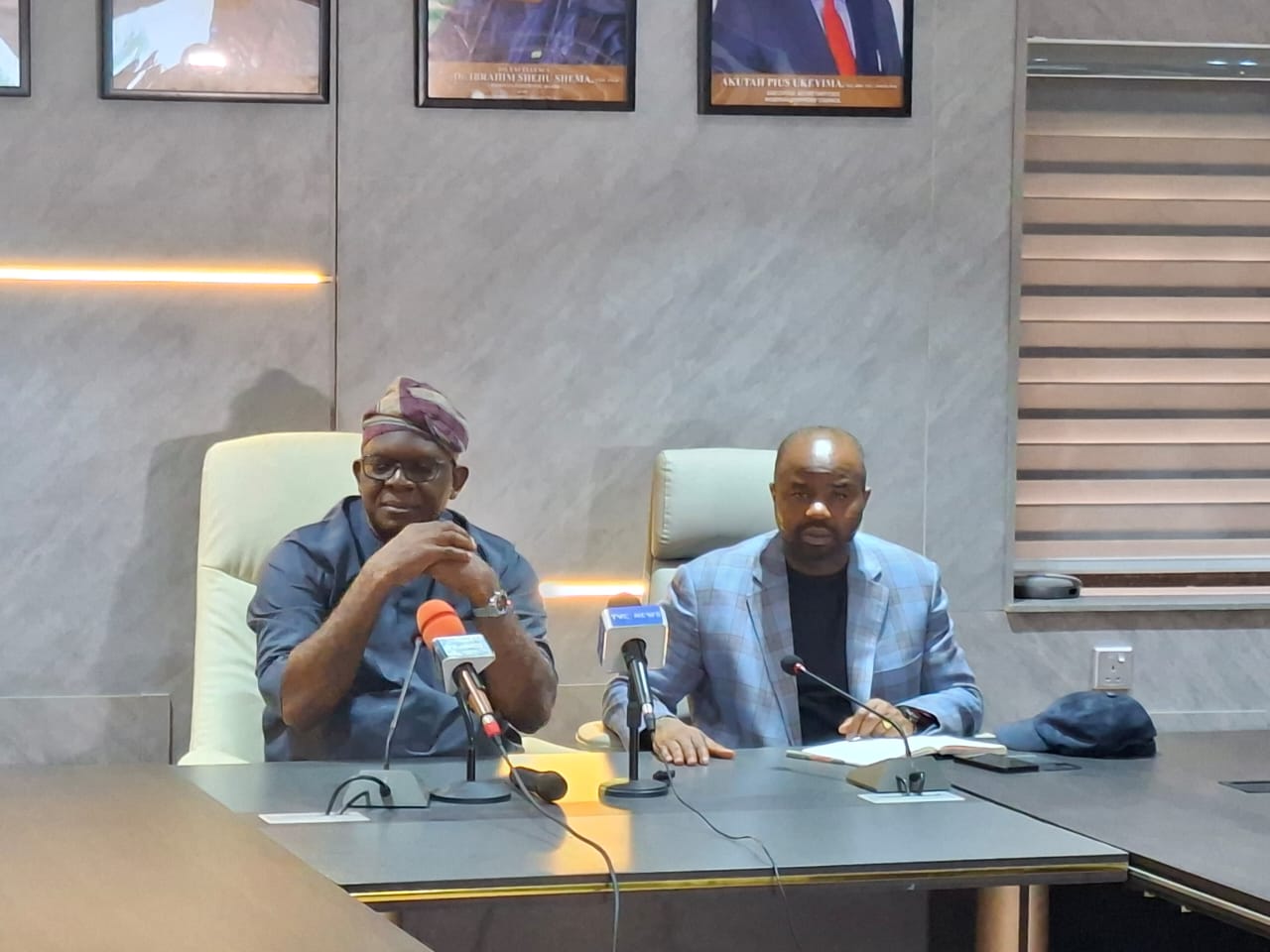
Speaking at the meeting, Chairman of the NRS, Dr. Zach Adedeji, said the engagement was aimed at appealing to terminal operators and shipping companies to support affected importers by considering waivers or concessions.
“The essence of today’s meeting is to appeal to all concerned, especially terminal operators and shipping companies. There are some Single Window-induced demurrages as a result of migration from SON and NAFDAC, which has led to cargo delays and system glitches,” Adedeji said.
He noted that similar support had been extended in the past and urged stakeholders to collaborate with government in providing relief to port users during the system stabilisation phase.
Adedeji further stressed that the government’s priority was not revenue generation but economic growth and shared prosperity. According to him, “Anytime people see me, they relate it to tax, but our focus has never been on revenue. Our focus is on shared prosperity of Nigeria. If people prosper, we all prosper.”
He also issued a warning to individuals exploiting inefficiencies in the previous system, describing them as saboteurs who would not be tolerated under the new regime.
On the timeline for resolving the technical issues, the NRS boss expressed optimism that the glitches would be addressed within days, attributing the delays to integration challenges between old and new systems.
Also speaking, Executive Secretary of the Nigerian Shippers’ Council, Dr. Pius Akutah, explained that the engagement was convened at the instance of the NSW Committee following the platform’s go-live on March 27.
“Things are now taking shape gradually and it is for the benefit of all Nigerians. Today’s meeting is to look at implementation and some of the challenges that have arisen, which we need to tackle together as a family,” Akutah said.
He disclosed that efforts were underway to repeal and reenact the Nigerian Shippers’ Council Act, which he described as outdated, adding that the proposed legislation would establish a new Nigerian Port Economic Regulatory Agency.
Industry stakeholders at the meeting expressed support for the initiative while calling for clarity on timelines for resolving the disruptions.
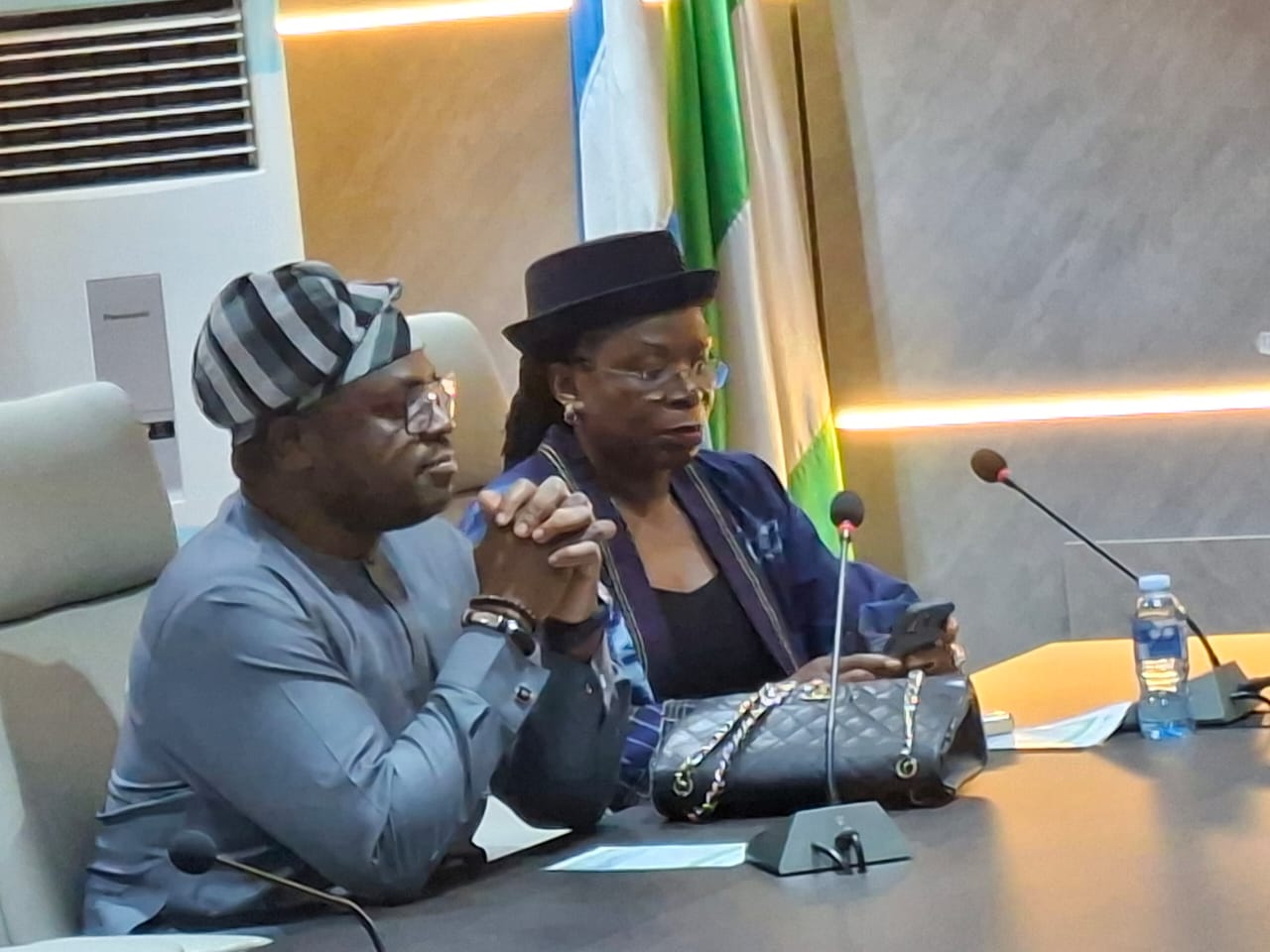
Chairperson of the Shipping Association of Nigeria (SAN), Mrs. Boma Alabi (SAN), said shipping companies were not new to offering such reliefs, citing a similar situation during the rollout of the Nigeria Customs Service’s B’Odogwu platform.
“Our objectives are the same—we want efficiency, speed, and a reduction in bottlenecks. We have heard the government’s appeal and will take it back to decision-makers,” she said.
Managing Director of Lagos and Niger Shipping Agency (LANSA), Mr. Todd Reaves, described the National Single Window as one of the most significant reforms he had witnessed in over six decades in Nigeria’s maritime sector.
However, General Manager of PTML Terminal, Mr. Tunde Keshinro, cautioned against blanket waivers, warning that such measures could encourage abuse by non-compliant importers.
“There is already a framework for granting waivers to deserving importers. It should not be a blanket approval, as some importers deliberately abandon cargoes and later repurchase them as overtime cargo,” he said.
Meanwhile, Chairman of the NSW Committee, Mr. Tola Fakolade, reassured stakeholders that the situation at the ports remained under control, noting that proactive engagements were ongoing to align all service providers and mitigate the impact of the transition on importers.
The National Single Window platform, designed to streamline cargo clearance processes and improve efficiency at Nigerian ports, has faced initial integration challenges, but authorities insist the system will soon stabilise, ushering in faster turnaround times and reduced bottlenecks in port operations.