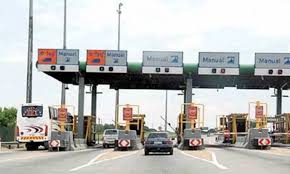
Shippers and logistics stakeholders across Nigeria have hailed the full reopening of 14 major land borders, following the recent reopening of the Tsamiya Border in Kebbi State on February 8, 2026. Industry leaders described the move as a long-awaited boost for legitimate trade and a potential catalyst for economic growth.
Speaking to Shipping Position Daily, Rev. Nicodemus Odolo, President of the Shippers Association of Lagos (SALS), said the reopening would reduce smuggling, expand trade activities, and strengthen supply chains. “When borders are open and properly managed, traders prefer official channels rather than risking loss through illegal routes,” he explained.
Rev. Odolo emphasized the need for continued vigilance by security agencies, particularly the Nigeria Customs Service (NCS), warning that enforcement will only succeed if officials resist internal compromise and corruption. “It is going to boost trade. It is going to reduce smuggling. It will boost the economy of Nigeria. The challenge is when you are fighting an enemy and you have an enemy inside. Corruption is not only about money; it is also about character and work ethics,” he said.
Similarly, Maritime expert and former SALS President, Rev. Jonathan Nicol, highlighted the broader regional implications. He noted that over 600 trucks have already crossed into Nigeria since the Tsamiya reopening. The move, he said, will facilitate trade with landlocked countries such as Mali, Burkina Faso, and the Sahel region, while invigorating the informal sector, a major driver of West African commerce. “This will not only bring more goods but also increase government revenue from trade activities. The reopening signals security and legitimate engagement with our neighbours,” Nicol added.
Ayopade Omolale, Lagos State Coordinator of the Importers Association of Nigeria (IMAN), described the reopening as a positive step toward restoring Nigeria’s trade balance and reinforcing its position as a regional economic hub. He noted that the 2019 border closure under former President Muhammadu Buhari, while intended to curb smuggling and protect domestic industries, had unintended consequences including higher goods costs, disruption of supply chains, and increased informal trade.
According to Omolale, open borders do not automatically encourage smuggling, which is more a function of weak enforcement and corruption than access itself. “With modern surveillance systems, digital customs processes, inter-agency collaboration, and strict penalties, smuggling can be effectively reduced even with open borders,” he explained.
The shippers’ optimism comes as the Federal Government completes the full reopening of Nigeria’s land borders, a process accelerated by the Tsamiya Border reopening. This marks the culmination of a phased strategy that began in December 2020 with key posts including Seme (Lagos), Illela (Sokoto), Maigatari (Jigawa), and Mfun (Cross River), followed by Idiroko (Ogun), Jibiya (Katsina), Kamba (Kebbi), and Ikom (Cross River).
Nigeria shares land borders with Benin, Niger, Chad, and Cameroon, operating at least 14 major designated posts for customs and immigration. The reopening ends years of restrictions, unlocking critical trade pathways, expanding cargo movement, and relieving pressure on congested seaports.
While stakeholders are optimistic about trade and economic gains, they underscore the need for enhanced border security and integrity to prevent illicit activities, ensuring that the benefits of open borders translate into legitimate commerce, stable prices, and stronger regional integration.