The Sustainable Waterways Awareness, Advancement and Advocacy Organisation (SWAAADO) has launched its 2026 waterway safety drive at Sagbokodji, BishopKodji community, targeting 100 riverine communities across Lagos, Ogun, and Ondo states.
Speaking at the sensitization programme on Thursday in Lagos, SWAAADO’s Head of Desk, Corporate Communication and Strategy, Chief Raymond Gold, described the sensitisation as the first for the year announcing that it would now hold consecutively every Thursday.
Chief Gold added that while SWAAADO reached 50 communities last year, this year’s campaign aims to expand to 50 communities in Lagos, 30 in Ogun, and 20 in Ondo State.
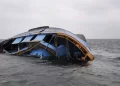
“The initiative was prompted by frequent reports of boat mishaps and unsafe practices, including a dangerous belief among some waterway users that accidents are caused by marine spirits. Most accidents are actually caused by overloading, speeding, lack of lifejackets, and ignoring safety guidelines.” Gold said.
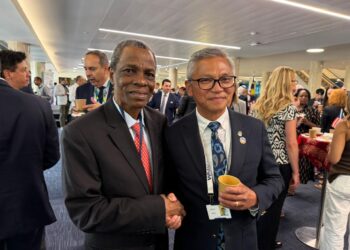
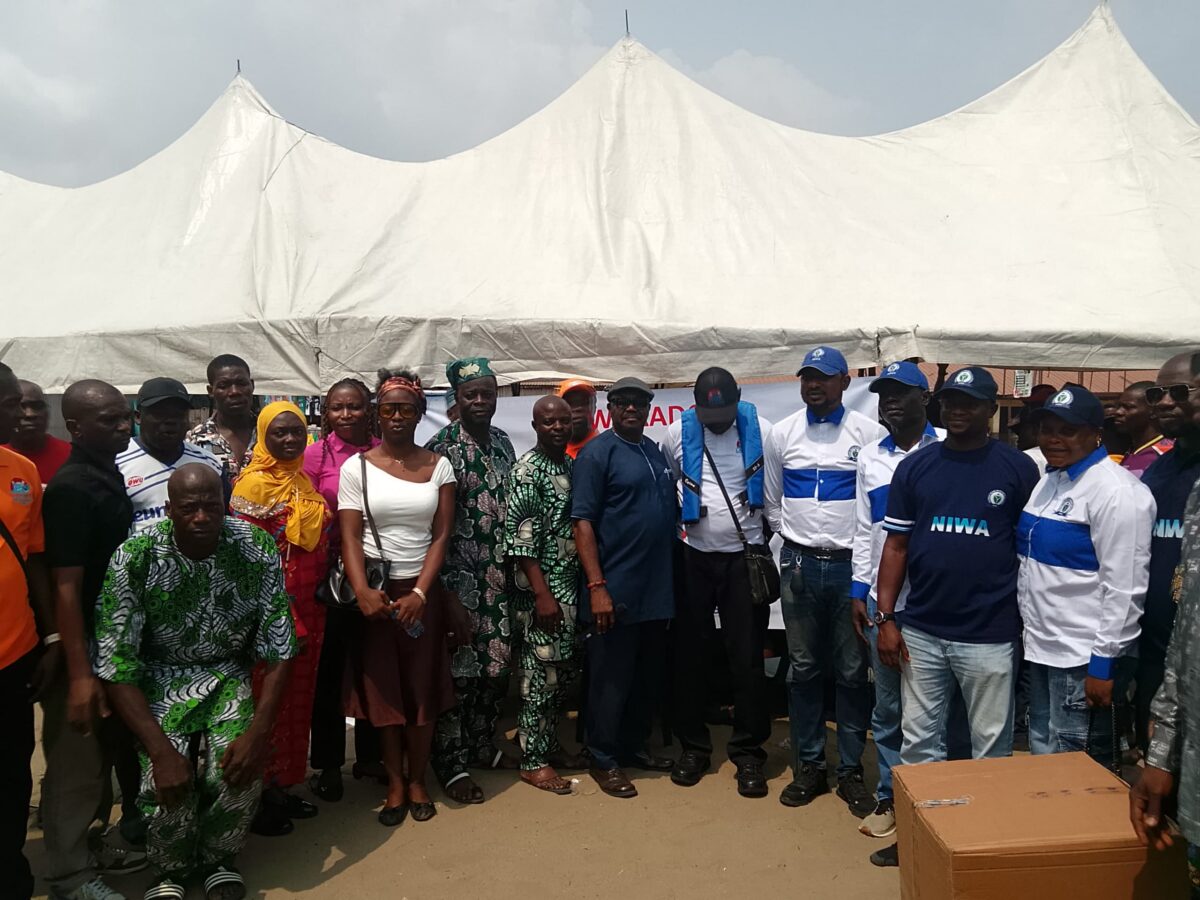
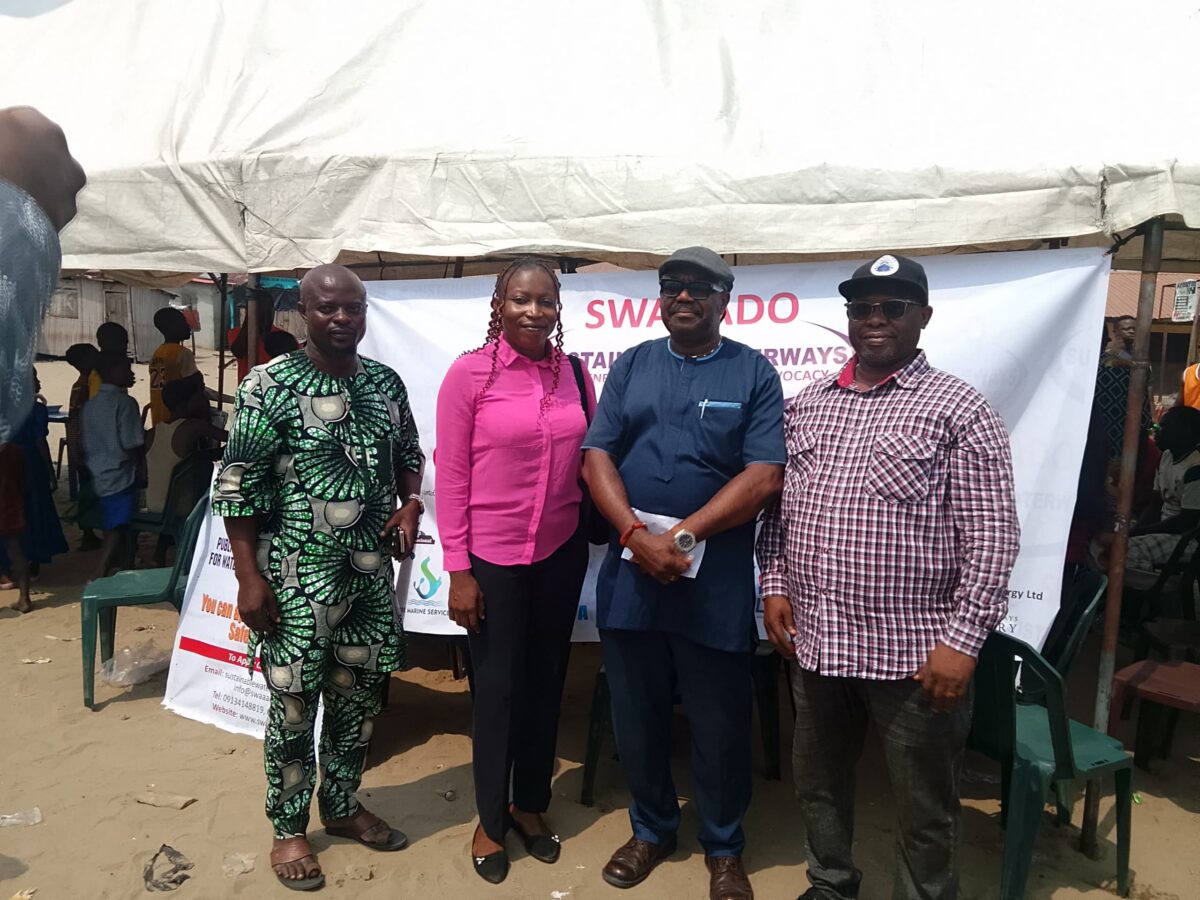
The event drew key stakeholders, including the National Inland Waterways Authority (NIWA), Lagos State Waterways Authority (LASWA), the Nigerian Maritime Administration and Safety Agency (NIMASA), as well as the newly appointed district chairman of the Maritime Workers Union of Nigeria (MWUN), the founder of the BishopKodji Jetty, and the Afobaje, the community’s kingmaker.
Speakers at the event also outlined operational codes and penalties for violations while educating participants on proper water transport practices, including vessel maintenance, passenger limits, weather precautions, and compulsory lifejacket use.
On his part, Engr. Shola Tamiluga, representing NIWA, emphasised the critical role of regulatory compliance in preventing accidents. “Our waterways are lifelines for millions, but without adherence to safety regulations, lives are unnecessarily lost. We are committed to supporting SWAAADO in building a culture of responsible water travel,” he said.
Echoing this, Engr. Oladimeji Shittu of LASWA encouraged waterway operators to prioritise safety above all. “The state government is investing in modern water transport infrastructure, but the safety of passengers depends on every operator following guidelines and using life-saving equipment,” Shittu noted.
Comrade Omotayo Owolabi, District Chairman of MWUN, appealed to maritime workers to take personal responsibility for safety and educate passengers. “We must work together to ensure a zero-accident culture on our rivers. Safety is not negotiable,” he said.
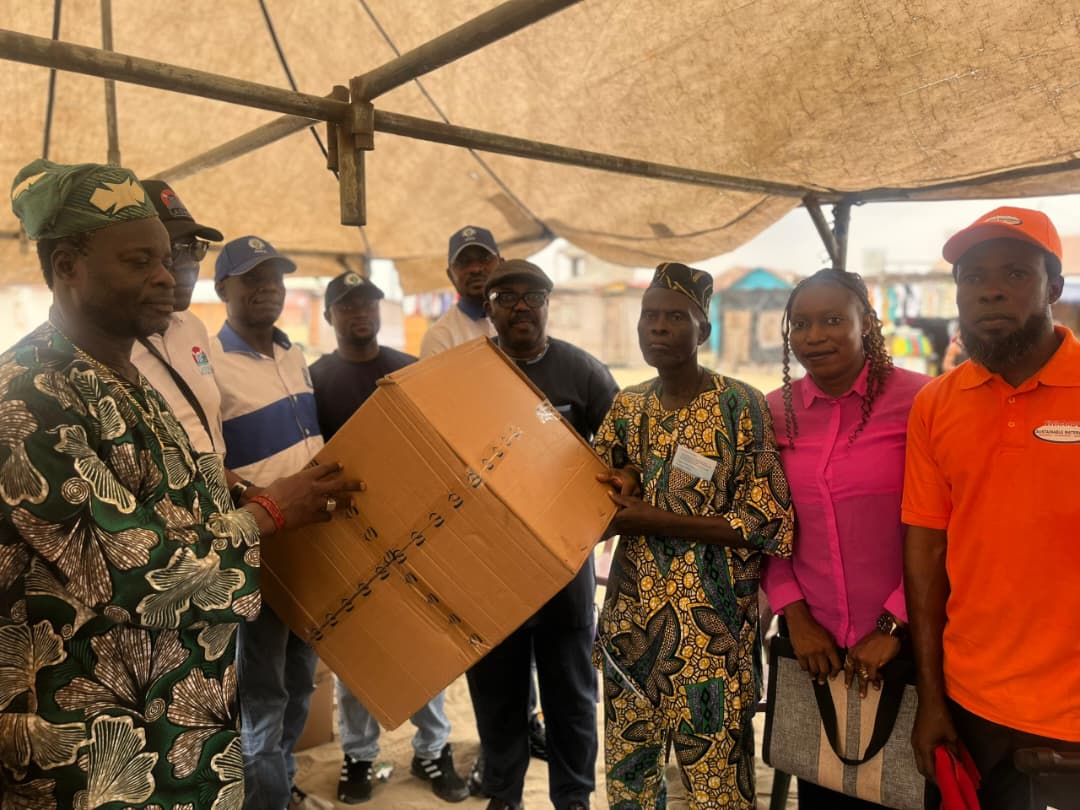
To reinforce the awareness drive, SWAAADO, in collaboration with NIWA, LASWA, NIMASA, and other partners, donated a carton of lifejackets to the Sagbokodji community to ensure adequate safety equipment at the jetty.
Community leaders and waterway operators welcomed the initiative, describing it as timely and essential for protecting lives and property on Nigeria’s inland waterways.
SWAAADO however reiterated its commitment to continuous advocacy, awareness, and capacity building, with the goal of fostering safer and more responsible use of the nation’s waterways.