By Oluyinka Onigbinde
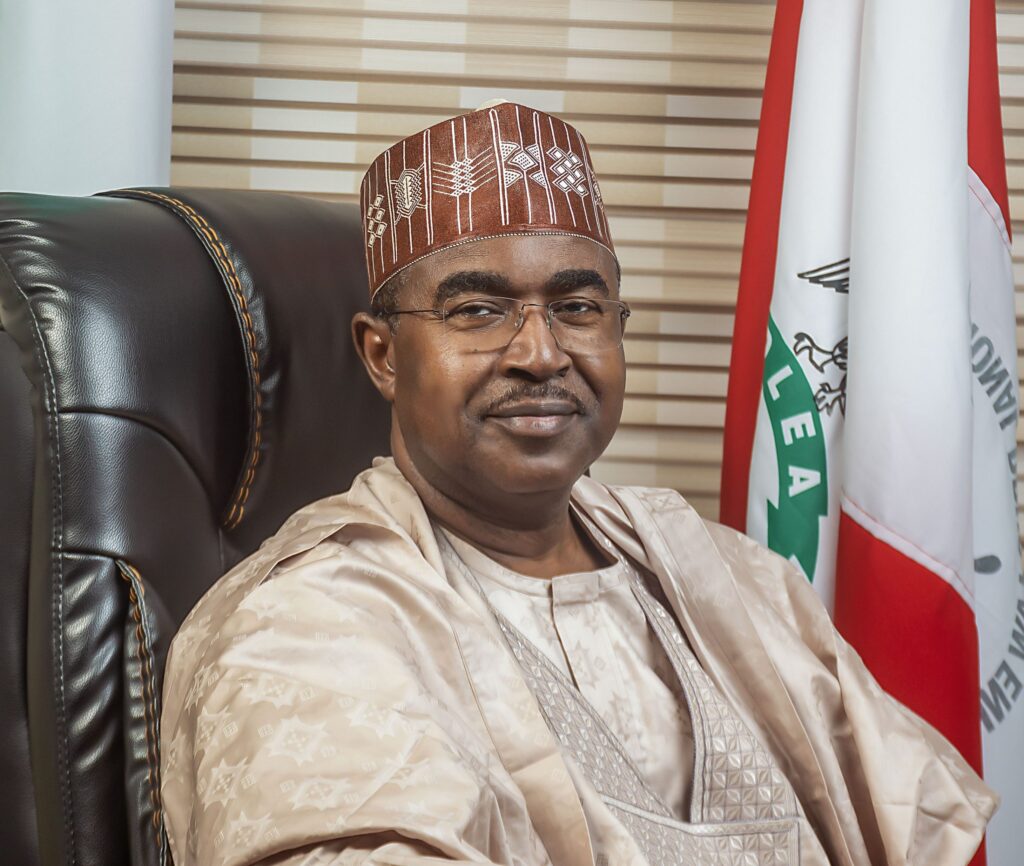
The Chairman and Chief Executive Officer of the National Drug Law Enforcement Agency (NDLEA), Brig. Gen. Buba Marwa (retd.), has raised alarm over Nigeria’s deepening drug problem, revealing that about 10.6 million Nigerians currently use cannabis, even as the agency has seized over 10 million kilograms of the illicit substance in the past four and a half years.
Marwa made the disclosure on Wednesday in Abuja at a stakeholders’ workshop themed “The Cannabis Oil Debate: The Path Forward for Nigeria,” organised by the Nigerian Academy of Science (NAS) as part of its ongoing study to critically examine the potential benefits and risks of cannabis oil use in Nigeria.
Nigeria’s law currently classifies cannabis as an illegal drug, with possession or use attracting severe penalties. Yet, global policy shifts favouring medical cannabis have fueled renewed debate on whether controlled legalisation could bring economic and health benefits to the country.
The workshop, according to organisers, aimed to assess scientific evidence on the therapeutic uses of cannabis oil, explore international best practices for regulation and production, identify potential risks, and generate data-driven recommendations for policymakers on possible medicinal use.
In his remarks, Marwa warned that Nigeria, already struggling with a widespread drug abuse crisis, must tread carefully in considering any form of cannabis legalisation. He noted that while advocates often highlight the potential medical and economic value of cannabis oil, they tend to downplay its health and social risks.
“The prolonged or uncontrolled use of cannabis and its extracts is linked to anxiety, depression, psychosis, and cognitive impairments,” Marwa cautioned. “Dependence and addiction are also real concerns. These side effects impose additional social and economic costs on families, communities, and the nation at large.”
He added that Nigeria ranks among the countries with the highest cannabis misuse rates in the world, with a substance abuse prevalence rate of 14.4 percent, compared to the global average of 5.6 percent.
“Imagine if the over 10 million kilograms of cannabis seized in the past four and a half years had found their way to the streets and been consumed by Nigerians,” he said.
Marwa commended the Nigerian Academy of Science for promoting informed and evidence-based dialogue on the issue, noting that drug policy decisions must be guided by science, responsibility, and the public good.
In his opening remarks, the Chairman of the NAS Study Committee on Cannabis Oil Use in Nigeria and Academic Secretary (Biological Sciences), Emeritus Prof. Musbau Akanji, emphasised that any national policy on cannabis oil must be rooted in research and scientific facts.
Akanji, a professor of Biochemistry, described the workshop as a crucial step toward exploring the therapeutic potential of cannabis oil while balancing its social, legal, and health implications. He disclosed that the committee had gathered data nationwide and would work with experts and policymakers to make evidence-based recommendations that align with Nigeria’s socio-economic context and global best practices.
The NAS committee is expected to finalise its report soon and submit its findings to the NDLEA, which will, in turn, advise the Federal Government on possible policy directions regarding the medicinal use and regulation of cannabis oil in Nigeria.