By Oluyinka Onigbinde
The Director-General of the Nigerian Maritime Administration and Safety Agency (NIMASA), Dr. Dayo Mobereola, has reaffirmed the agency’s commitment to prioritising the welfare, safety, security and professional development of seafarers, describing them as the backbone of global trade and a critical pillar of Nigeria’s maritime future.
Speaking at the 2026 Day of the Seafarer celebration in Lagos on Thursday, Mobereola disclosed that NIMASA has intensified efforts to improve the global competitiveness of Nigerian seafarers through capacity development programmes, enhanced regulatory compliance and improved welfare standards.
According to him, over 2,459 Nigerian cadets have been trained under the Nigerian Seafarers Development Programme (NSDP), with many still undergoing training in maritime institutions across the world.
The NIMASA boss also revealed that the National Joint Industrial Council (NJIC) had successfully adopted the International Transport Workers’ Federation (ITF) and International Labour Organisation (ILO) international wage scale into the conditions of service for Nigerian seafarers, resulting in a wage increase of more than 150 per cent.
Mobereola said the Day of the Seafarer celebration provides an opportunity to honour the sacrifices and contributions of maritime professionals who keep global commerce moving despite the numerous risks associated with life at sea.
“Today, we stand in solidarity with the global maritime community to pay tribute to an extraordinary cadre of professionals whose dedication, courage and resilience form the bedrock of international trade and global prosperity,” he said.
Reflecting on the 2026 theme, “Carrying World Trade, Carrying the Risk,” Mobereola noted that the theme aptly highlights both the indispensable role of seafarers and the dangers they face daily while ensuring the uninterrupted flow of international commerce.
He observed that more than 80 per cent of global trade by volume and over 70 per cent by value is transported by sea, while about two million seafarers worldwide operate the merchant fleet that sustains global supply chains.
“Beyond transporting cargo, seafarers navigate unpredictable weather conditions, demanding working environments, evolving security threats and increasing geopolitical challenges. They endure prolonged separation from their families while coping with the physical and psychological demands of life at sea,” he stated.
Mobereola stressed that NIMASA’s commitment to seafarers extends beyond regulatory obligations, describing it as both a moral responsibility and a strategic necessity for the growth and resilience of the maritime industry.
He said the agency remains focused on strengthening human capacity development through investments in training, certification and sea-time opportunities, while also ensuring compliance with the Maritime Labour Convention (MLC) 2006 to guarantee decent working conditions for seafarers.
The Director-General further called for stronger collaboration among governments, maritime administrations, shipowners, employers, training institutions, labour unions and other stakeholders to build a maritime ecosystem that prioritises safety, dignity, inclusion, wellbeing and professional excellence.
“Today’s celebration is not only a tribute to seafarers but also a renewed commitment to ensuring that every seafarer is respected, protected, fairly treated and empowered to achieve their full potential,” he added.
Also speaking, Chairman of the Senate Committee on Marine Transport, Senator Wasiu Eshinlokun-Sanni, assured maritime stakeholders of the National Assembly’s continued support for policies and legislation aimed at strengthening Nigeria’s maritime sector and improving the welfare of seafarers.
He said the Senate Committee remains committed to promoting maritime safety and security, improving port efficiency, strengthening indigenous shipping capacity and creating employment opportunities for Nigerian maritime professionals.
Eshinlokun-Sanni pledged continued legislative backing for initiatives that support the modernisation of port infrastructure, development of the blue economy, increased participation of Nigerian seafarers in international shipping and the effective implementation of international conventions protecting seafarers’ rights.
The senator also emphasised the need for greater investment in maritime education, certification programmes and professional development to enable Nigerian seafarers compete effectively in the global labour market.
“As we mark this important occasion, I call on government agencies, maritime operators, shipping companies, labour unions and all stakeholders to renew their commitment to ensuring decent working conditions, fair treatment, adequate training opportunities and comprehensive welfare support for our seafarers,” he said.
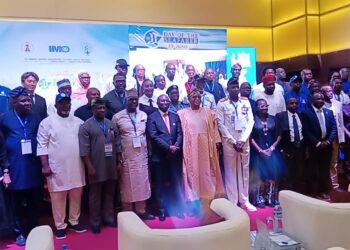
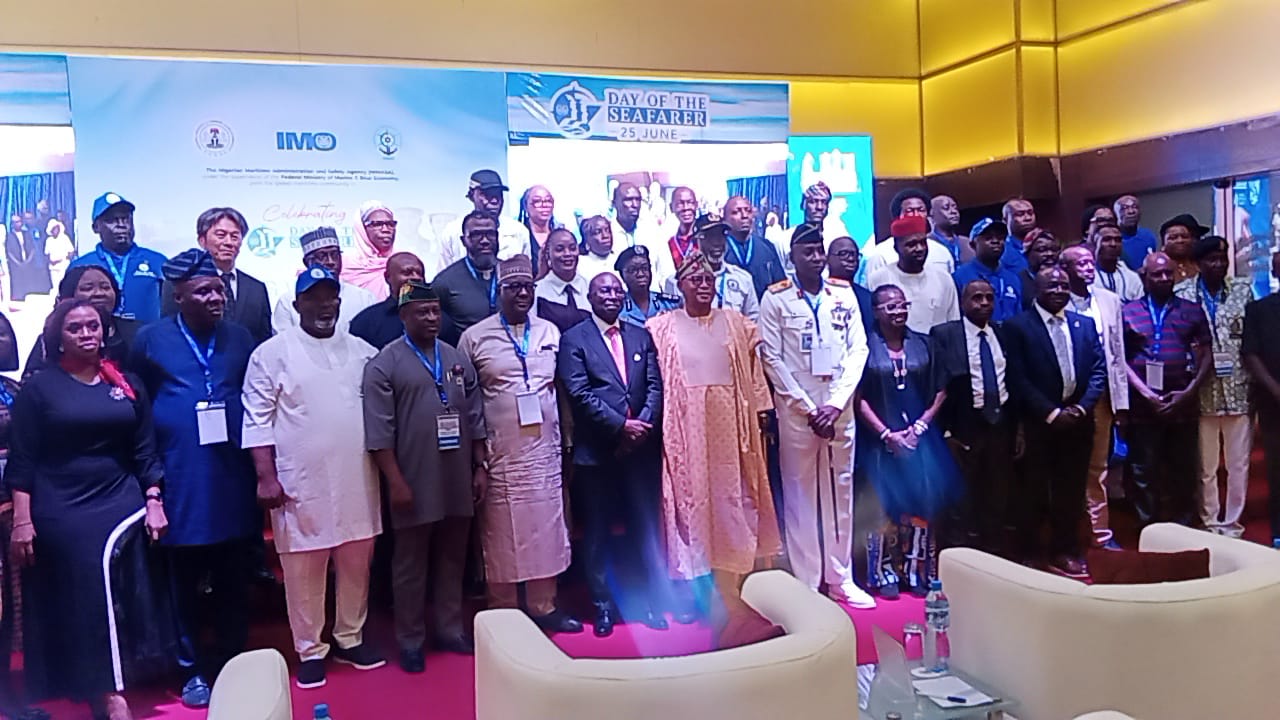
The event brought together maritime regulators, industry operators, labour representatives, shipping stakeholders and seafarers to celebrate the contributions of maritime professionals whose efforts continue to sustain international trade and global economic growth.