shippingposition
  • Home
  • News
  • Editorial
    • Vox Pop
  • Maritime safety
  • Oil and Gas
  • Personality
  • Health
No Result
View All Result
shippingposition

Home » Apapa Customs Command Rakes In N212.5bn in Q1

Apapa Customs Command Rakes In N212.5bn in Q1

By Oluyinka Onigbinde

by sam
April 5, 2023
in Featured, News

Nigeria Customs Service (NCS)

The Apapa Command of the Nigeria Customs Service (NCS) on Tuesday said it intercepted 143,800,000 tablets of Tramadol 225 milligrams worth N21.600 billion imported from India.

The command also recorded a total collection of N212.592 billion revenue between January and March, 2023 and also processed agricultural goods worth over N70 billion for exports within the period.

Speaking during a media briefing, the Controller of the Command, Comptroller, Auwal Mohammed said that on Friday, March 2023, the command uncovered a large quantity of Tramadol tablets concealed in 2X40ft containers 143,800,00 tablets of tramadol 225 milligrams discovered in 720 cartons weighing 10.3 kilograms that originated from India.

On anti-smuggling, he said: “Our resolve to enforce government fiscal policies and extant laws to ensure that all import and export consignments transiting through Apapa Ports are duly examined has been strengthened through effective collaboration and timely sharing of credible intelligence with sister government agencies in the Port.”

Within the period under review, he added that the command made seizures of 14 containers comprising of prohibited items such as vegetable oil, foot wears, used clothing and tramadol tablets with a Duty Paid (DPV) of N22.099 billion.

“We are on the lookout for those behind such unlawful importation for arrest and very soon we will track them down to face the full wrath of the law. As a service, we owe Nigerians the duty to prevent this kind of importation from entering the market to safeguard the health of the citizenry,” he added.

He warned the perpetrators of smuggling, duty evasion and other forms of criminality to desist as the Apapa command will only facilitate legitimate trade.

Speaking on export trade, he said the command processed agricultural goods such as sesame seeds, ginger, hibiscus, mineral resources, steel ingot and others with a total tonnage of 110,448 metric tonnes in the first quarter of 2023.

According to him, statistics from the export report shows that exported goods are worth about N70 billion, which bid equivalent to Free on Board (FoB) value of $159,845,232.84.

However, he noted that the command’s functions of revenue generation and collection, suppression of smuggling and facilitating legitimate trade have been consistently implemented within the first three months of 2023.

“While I am meeting with various stakeholders and partner government agencies to ensure the tempo of compliance is sustained and improved upon, the command stood forthright in foiling attempts at smuggling prohibited items into and out of the country.

“Since my assumption of duty here, I have been meeting with various stakeholder groups comprising importers, exporters, licensed agents, freight forwarders, and others. These meetings are yielding results and will sustained in days ahead.

“In this command, we have a deliberate culture of inter-agency collaboration with other government organisations. Within this first three months, I have enjoyed robust sharing of credible intelligence and support from other agencies of government, he added.

Follow us on Facebook/ twitter


Related Posts

NSC Pushes Fast-Track Clearance of Power Project Cargo at Ports

NSC Pushes Fast-Track Clearance of Power Project Cargo at Ports

April 17, 2026
Oyetola Commissions NIMASA–UNILAG Institute of Maritime Studies Building, Reaffirms Commitment to Blue Economy Growth

Oyetola Commissions NIMASA–UNILAG Institute of Maritime Studies Building, Reaffirms Commitment to Blue Economy Growth

April 17, 2026
Maritime Sector Faces Priority Alignment Challenges – Centre The Sea Empowerment and Research Centre (SEREC) has raised concern over alleged policy misalignment and weak coordination in Nigeria’s maritime sector. It said the sector was at a critical crossroads, shaped not by limited capacity but by weak prioritisation discipline. SEREC made this known in a policy bulletin and presidential advisory memo made available to newsmen by its Head of Research, Mr Eugene Nweke, on Thursday in Abuja. Nweke said the sector had prioritised projects over systems, announcements over outcomes and revenue over value creation, describing the trend as a national economic risk. “Nigeria’s maritime sector has repeatedly prioritised visibility over viability, expansion over optimisation and announcements over execution. This has resulted to congestion in spite expansion, digitalisation without integration and revenue growth without efficiency gains,” he said. He said policy inconsistency and institutional fatigue had weakened the sector, resulting in reform fatigue and stakeholder distrust. According to him, Nigeria is losing economic momentum and regional relevance, with annual losses estimated at between N2.5 trillion and N4 trillion due to inefficiencies. He said with proper reforms, the sector could generate over one trillion in annual savings, recover between N500 billion and one trillion naira in revenue from cargo retention. The sector, he said, could unlock three billion to six billion dollars in export growth, with gains expected to boost jobs and GDP. Nweke said the sector had suffered from port expansion without adequate evacuation systems, poor connectivity and underperforming inland container depots. Several depots, he said, were licenced based on geographic considerations rather than economic demand, leaving many underutilised. He called for their conversion into export logistics hubs to support agro-export growth, cold-chain systems and structured export aggregation, critical for AfCFTA competitiveness. Nweke also warned against uncoordinated deep seaport development and fragmented digital trade reforms, noting that it could undermine smooth implementation of the National Single Window. He noted that to reposition the maritime sector, focus must shift from revenue obsession to trade efficiency, export competitiveness and cost reduction. According to him, Nigeria’s maritime system remains import-driven, with weak export infrastructure, poor logistics integration and limited export terminals. He said this had led to cargo diversion to neighbouring ports saying, ‘Nigeria is losing cargo not by geography but by inefficiency’. He stressed the need for a strong independent regulator to enforce global standards and curb tariff abuses, describing regulation as key to a functional port economy. Nweke urged proper implementation of the Cargo Tracking Note (CTN), warning it could fail without transparency and coordination. He said maritime reforms must prioritise system integration, measurable outcomes and coordination over fragmentation. “Nigeria is approaching a tipping point. It is either we fix our maritime system or continue to finance the efficiency of neighbouring economies,” he said.

Maritime Sector Faces Priority Alignment Challenges – Centre The Sea Empowerment and Research Centre (SEREC) has raised concern over alleged policy misalignment and weak coordination in Nigeria’s maritime sector. It said the sector was at a critical crossroads, shaped not by limited capacity but by weak prioritisation discipline. SEREC made this known in a policy bulletin and presidential advisory memo made available to newsmen by its Head of Research, Mr Eugene Nweke, on Thursday in Abuja. Nweke said the sector had prioritised projects over systems, announcements over outcomes and revenue over value creation, describing the trend as a national economic risk. “Nigeria’s maritime sector has repeatedly prioritised visibility over viability, expansion over optimisation and announcements over execution. This has resulted to congestion in spite expansion, digitalisation without integration and revenue growth without efficiency gains,” he said. He said policy inconsistency and institutional fatigue had weakened the sector, resulting in reform fatigue and stakeholder distrust. According to him, Nigeria is losing economic momentum and regional relevance, with annual losses estimated at between N2.5 trillion and N4 trillion due to inefficiencies. He said with proper reforms, the sector could generate over one trillion in annual savings, recover between N500 billion and one trillion naira in revenue from cargo retention. The sector, he said, could unlock three billion to six billion dollars in export growth, with gains expected to boost jobs and GDP. Nweke said the sector had suffered from port expansion without adequate evacuation systems, poor connectivity and underperforming inland container depots. Several depots, he said, were licenced based on geographic considerations rather than economic demand, leaving many underutilised. He called for their conversion into export logistics hubs to support agro-export growth, cold-chain systems and structured export aggregation, critical for AfCFTA competitiveness. Nweke also warned against uncoordinated deep seaport development and fragmented digital trade reforms, noting that it could undermine smooth implementation of the National Single Window. He noted that to reposition the maritime sector, focus must shift from revenue obsession to trade efficiency, export competitiveness and cost reduction. According to him, Nigeria’s maritime system remains import-driven, with weak export infrastructure, poor logistics integration and limited export terminals. He said this had led to cargo diversion to neighbouring ports saying, ‘Nigeria is losing cargo not by geography but by inefficiency’. He stressed the need for a strong independent regulator to enforce global standards and curb tariff abuses, describing regulation as key to a functional port economy. Nweke urged proper implementation of the Cargo Tracking Note (CTN), warning it could fail without transparency and coordination. He said maritime reforms must prioritise system integration, measurable outcomes and coordination over fragmentation. “Nigeria is approaching a tipping point. It is either we fix our maritime system or continue to finance the efficiency of neighbouring economies,” he said.

April 17, 2026
Reforms Drive Maritime Turnaround, Position Nigeria for Blue Economy Leadership — Dantsoho

Reforms Drive Maritime Turnaround, Position Nigeria for Blue Economy Leadership — Dantsoho

April 16, 2026

Latest News

NSC Pushes Fast-Track Clearance of Power Project Cargo at Ports

NSC Pushes Fast-Track Clearance of Power Project Cargo at Ports

April 17, 2026

Oyetola Commissions NIMASA–UNILAG Institute of Maritime Studies Building, Reaffirms Commitment to Blue Economy Growth

Maritime Sector Faces Priority Alignment Challenges – Centre The Sea Empowerment and Research Centre (SEREC) has raised concern over alleged policy misalignment and weak coordination in Nigeria’s maritime sector. It said the sector was at a critical crossroads, shaped not by limited capacity but by weak prioritisation discipline. SEREC made this known in a policy bulletin and presidential advisory memo made available to newsmen by its Head of Research, Mr Eugene Nweke, on Thursday in Abuja. Nweke said the sector had prioritised projects over systems, announcements over outcomes and revenue over value creation, describing the trend as a national economic risk. “Nigeria’s maritime sector has repeatedly prioritised visibility over viability, expansion over optimisation and announcements over execution. This has resulted to congestion in spite expansion, digitalisation without integration and revenue growth without efficiency gains,” he said. He said policy inconsistency and institutional fatigue had weakened the sector, resulting in reform fatigue and stakeholder distrust. According to him, Nigeria is losing economic momentum and regional relevance, with annual losses estimated at between N2.5 trillion and N4 trillion due to inefficiencies. He said with proper reforms, the sector could generate over one trillion in annual savings, recover between N500 billion and one trillion naira in revenue from cargo retention. The sector, he said, could unlock three billion to six billion dollars in export growth, with gains expected to boost jobs and GDP. Nweke said the sector had suffered from port expansion without adequate evacuation systems, poor connectivity and underperforming inland container depots. Several depots, he said, were licenced based on geographic considerations rather than economic demand, leaving many underutilised. He called for their conversion into export logistics hubs to support agro-export growth, cold-chain systems and structured export aggregation, critical for AfCFTA competitiveness. Nweke also warned against uncoordinated deep seaport development and fragmented digital trade reforms, noting that it could undermine smooth implementation of the National Single Window. He noted that to reposition the maritime sector, focus must shift from revenue obsession to trade efficiency, export competitiveness and cost reduction. According to him, Nigeria’s maritime system remains import-driven, with weak export infrastructure, poor logistics integration and limited export terminals. He said this had led to cargo diversion to neighbouring ports saying, ‘Nigeria is losing cargo not by geography but by inefficiency’. He stressed the need for a strong independent regulator to enforce global standards and curb tariff abuses, describing regulation as key to a functional port economy. Nweke urged proper implementation of the Cargo Tracking Note (CTN), warning it could fail without transparency and coordination. He said maritime reforms must prioritise system integration, measurable outcomes and coordination over fragmentation. “Nigeria is approaching a tipping point. It is either we fix our maritime system or continue to finance the efficiency of neighbouring economies,” he said.

Vessels Expected At Lagos Ports As At 17th April, 2026

Reforms Drive Maritime Turnaround, Position Nigeria for Blue Economy Leadership — Dantsoho

Tariff Hike: Freight Forwarders Demand Policy Review, Stronger Local Content Protection

Customs Boss Pledges Multimedia Centre, Radio Station For NIJ

MWUN, Maritime Unions Threaten Action Against Temile Over Workers’ Unionisation Dispute

NCS Seizes Smuggled Donkey Skin, PMS Worth N98.3 Million In Adamawa

Vessels Expected At Lagos Ports As At 16th April, 2026

NIJ Honours Customs CG Adeniyi with Fellowship, Announces Landmark Multimedia Centre Donation

NIMASA DG Commends NSDP Graduates As 34 Beneficiaries Obtain CoC

kindly like our Facebook page

Health

Sleep Deprivation Root Cause Of Many Disease – Says Physician
Health

Health Benefits Of Consuming Garden Egg

March 23, 2026

A great source of dietary fibre, minerals and vitamins, garden eggs are a welcomed addition to every meal. This fruit...

Sleep Deprivation Root Cause Of Many Disease – Says Physician

Sleep Deprivation Root Cause Of Many Disease – Says Physician

March 23, 2026
Report Finds Hypertension Affects Up To 40% Of Nigerian Adults In 2025

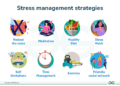
Stress Management: Psychiatrist Identifies Effective Coping Mechanisms

March 16, 2026
Report Finds Hypertension Affects Up To 40% Of Nigerian Adults In 2025

Report Finds Hypertension Affects Up To 40% Of Nigerian Adults In 2025

March 16, 2026
Lemons Are Among Fruits That Have The Highest Healing Powers Of Diseases On Earth

Lemons Are Among Fruits That Have The Highest Healing Powers Of Diseases On Earth

March 9, 2026
Nigeria Reports Higher Lassa Fever Death Rate

Nigeria Reports Higher Lassa Fever Death Rate

March 9, 2026
The Big Question: Can Diabetes Be Reversed?

Some Early Warning Signs of Diabetes That You Don’t Know, But Should

March 2, 2026
Why Your Favourite Seasoning Cubes May Be Hurting Your Kidneys

Why Your Favourite Seasoning Cubes May Be Hurting Your Kidneys

February 23, 2026
SHOCKING: FIIRO Links High Rates of Organ Failure, Cardiovascular Diseases in Nigeria to Local Grinding Machines

SHOCKING: FIIRO Links High Rates of Organ Failure, Cardiovascular Diseases in Nigeria to Local Grinding Machines

February 23, 2026
MONDAY INTERVIEW: Oyebamiji Did Not See The Media As Adversaries, But As Partners In Development”—Minister Oyetola

DANGER: 11% Of Nigerians Have Kidney Disease – Experts

February 16, 2026

© 2021 Shippingposition

Navigate Site

  • Home
  • About Us
  • Contact us
  • Privacy Policy
  • Editorial Policy
  • Sitemap
  • Terms

Follow Us

No Result
View All Result
  • News
  • Coast To Coast
  • Oil and Gas
  • Maritime Education
  • The Terminals
  • Maritime safety

© 2021 Shippingposition