European countries are in talks with Tehran over permission for ships to pass through the Strait of Hormuz, according to Iranian state television.
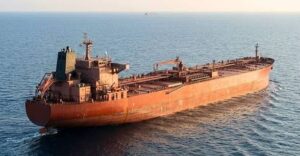
The report said on Saturday that European governments had begun negotiations with Iran’s Revolutionary Guards navy to secure transit access for vessels. The countries involved were not named.
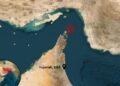
Iran continues to maintain tight control over shipping through the Strait of Hormuz, one of the world’s most important oil and gas routes.
Iranian state media said the talks followed the passage of ships from East Asian countries, including China, Japan and Pakistan, which had already been allowed through after what Tehran described as agreements on “strait management protocols”.
The Strait of Hormuz has seen major disruption since the outbreak of war between Iran and the United States and Israel on February 28. A fragile ceasefire has been in place since April 8.
Iran has largely restricted shipping through the waterway during this period, giving it strong control over one of the world’s key energy chokepoints.
In peacetime, around one-fifth of global oil and liquefied natural gas shipments pass through the Strait of Hormuz, making it critical for global energy supply and shipping routes.
Iran’s Revolutionary Guards said in a statement that dozens of ships, including from China, have been allowed to pass in recent days after agreements related to Iran’s new strait management rules.
Iran has repeatedly said maritime traffic through the strait will not return to pre-war conditions. It also said it has started collecting revenue from tolls imposed on vessels using the waterway.
On May 16, Ebrahim Azizi, head of the Iranian parliament’s national security commission, said Iran has prepared a “professional mechanism” to manage traffic through the strait and will announce it soon.
He said only commercial vessels and countries cooperating with Iran will be allowed to benefit from the system. He also said fees will be charged for specialised services.
Azizi added that the route will remain closed to the US-linked “freedom project”, a temporary naval operation that helps stranded commercial ships move through the strait.
Iran is continuing to strengthen control over one of the world’s most important shipping lanes.
The situation remains closely watched by global shipping operators, energy markets, and governments due to the Strait of Hormuz’s role in global oil and LNG trade.
Iran has not confirmed which European countries are involved in the talks, and no timeline has been given for any agreement.