Nigeria’s Minister of Marine and Blue Economy, Adegboyega Oyetola, has called for the immediate review and elimination of war risk insurance premiums imposed on vessels heading to Nigeria, describing the charges as outdated and harmful to the country’s economic competitiveness.
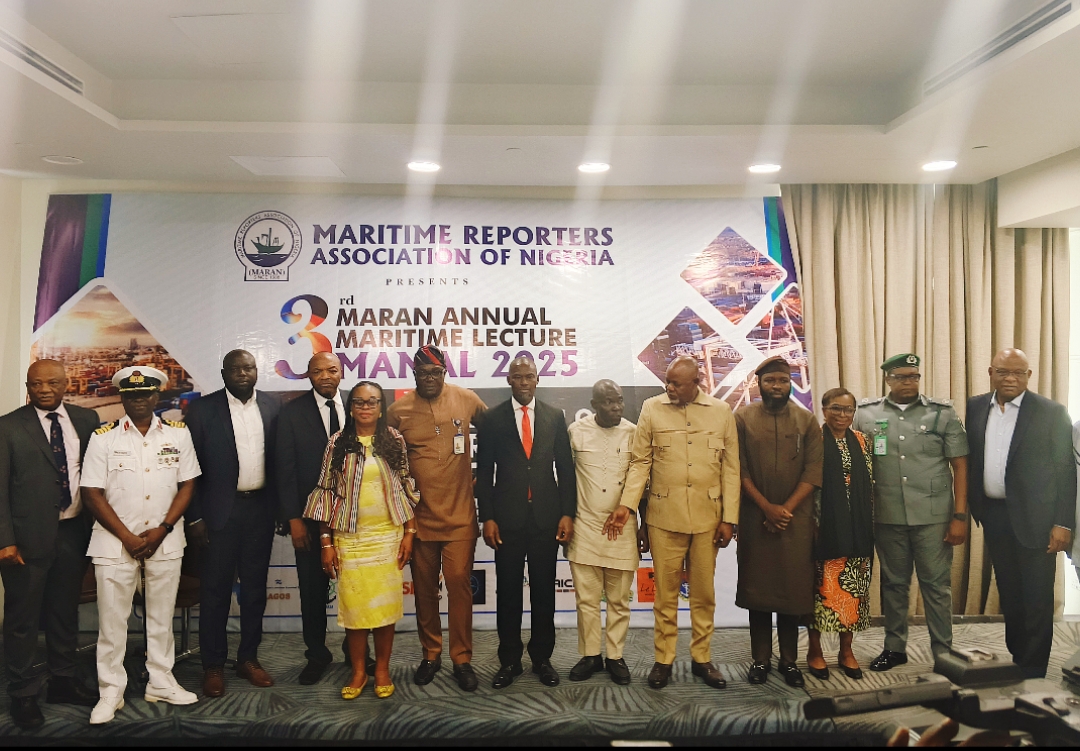
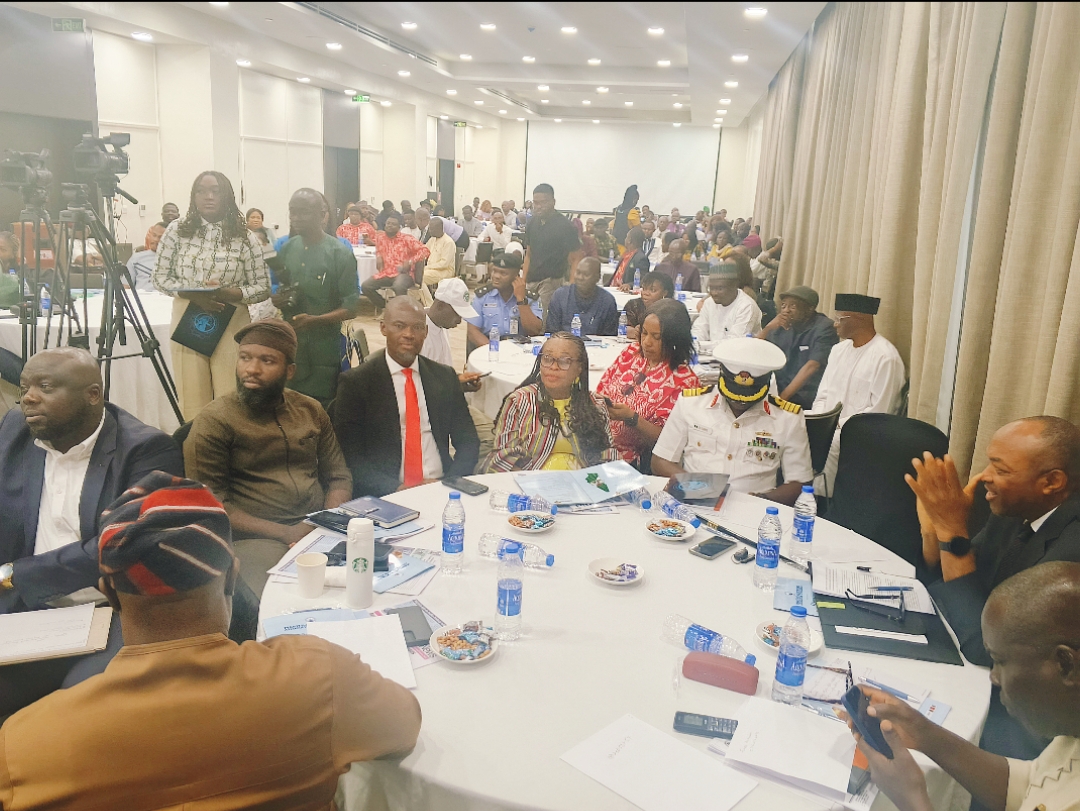
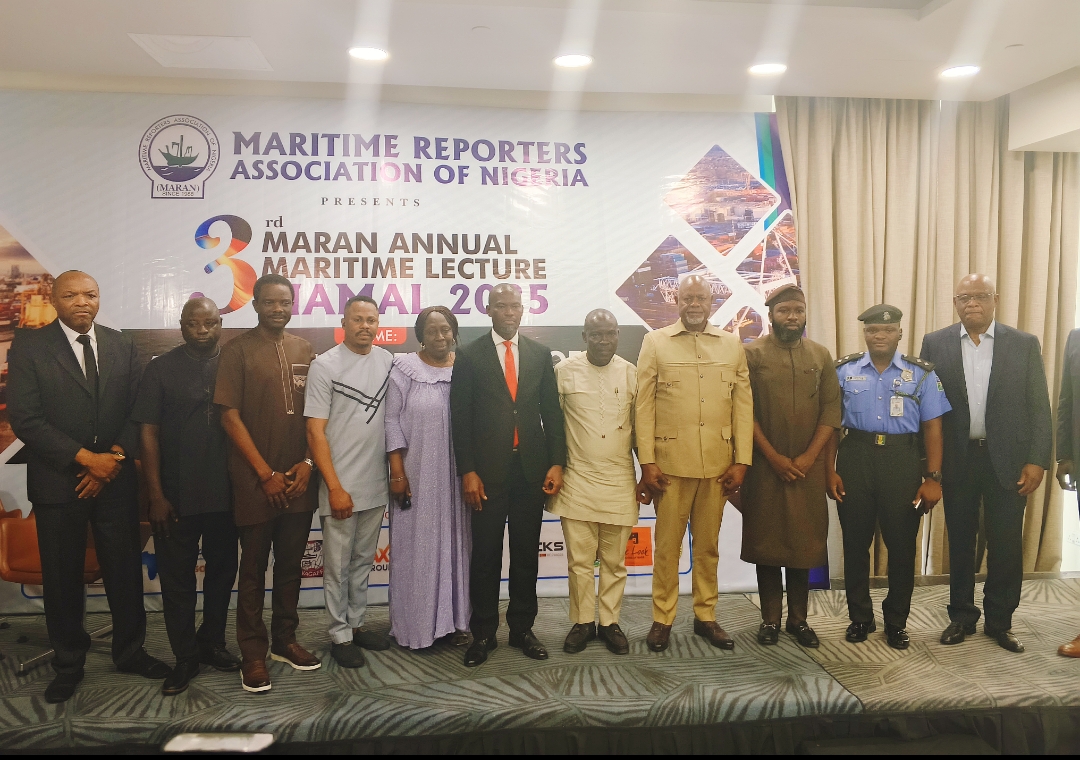
The Minister made the call during the 3rd Annual Maritime Lecture of the Maritime Reporters Association of Nigeria (MARAN), held on Wednesday at Four Points by Sheraton, Victoria Island, Lagos. Represented by his Special Adviser on Media and Communications, Dr. Bolaji Akinola, Oyetola said Nigeria has earned the right to be removed from global maritime high-risk classifications.
He highlighted key achievements of the Ministry since its establishment in 2023, noting that the maritime sector has witnessed major reforms in just two years. Among these milestones are the resolution of the decades-long Apapa gridlock, the launch of Africa’s first National Policy on Marine and Blue Economy, and the approval of port modernisation projects for Lagos, Tin Can Island, and the Eastern Ports.
According to him, agency-generated revenues more than doubled from ₦700.79 billion in 2023 to ₦1.39 trillion in 2024, marking the highest in the nation’s history. Other initiatives include unlocking the Cabotage Vessel Financing Fund to support indigenous shipowners, setting up a technical committee for a private-sector-led national shipping line, and implementing reforms to boost aquaculture and inland waterway safety.
Despite these successes, Oyetola lamented that Nigeria still bears the cost of war risk insurance charges, which he said have cost the country an estimated $1.5 billion in recent years. He described these premiums as based on outdated perceptions, pointing out that Nigeria has recorded zero piracy incidents in the last four years, thanks to enhanced security under the Deep Blue Project.
The Minister explained that the Deep Blue Project, implemented by the Nigerian Maritime Administration and Safety Agency (NIMASA) in partnership with the Navy, has delivered real-time surveillance and interdiction through integrated air, land, and sea assets. This success has earned Nigeria global recognition, including commendations from the International Maritime Organization and removal from the International Bargaining Forum’s high-risk list.
Oyetola assured stakeholders that the Ministry is engaging international bodies, including BIMCO, the International Chamber of Shipping, and Lloyd’s of London, to present data-driven evidence of improved maritime security. He also revealed plans to strengthen local marine insurance options, deepen regional cooperation, and maintain robust security reporting.
Concluding his address, the Minister expressed optimism about the future of Nigeria’s blue economy, pledging continued efforts to modernise ports, empower local operators, and make the sector a key driver of jobs, growth, and sustainability.
He formally declared the lecture open and urged participants to share recommendations that will further strengthen government policy and advance the maritime industry.