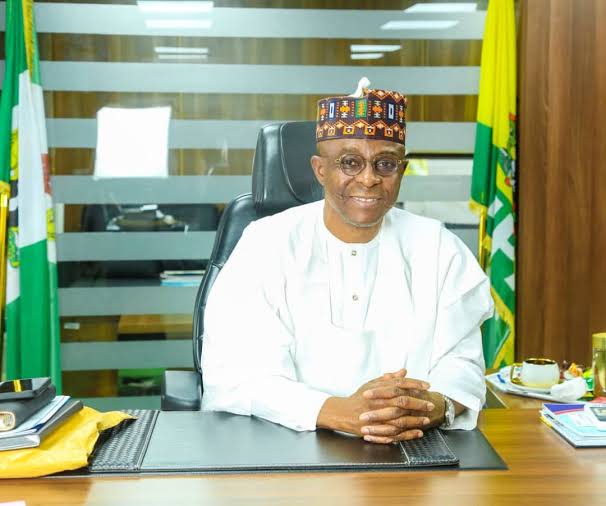
The Managing Director of the Nigerian Ports Authority (NPA), Dr. Abubakar Dantsoho, has reaffirmed that the agency’s most valuable resource is not its physical infrastructure or cutting-edge technology but its human capital, which continues to drive Nigeria’s maritime development.
Dr. Dantsoho made this known on Monday during the maiden edition of the National Mentoring Day celebration held at the Authority’s headquarters in Lagos. Represented by the Executive Director of Finance and Administration, Vivian Richard-Edet, the NPA boss said the event underscored the Authority’s resolve to groom future leaders, promote knowledge sharing, and strengthen a culture of continuous learning and professional excellence.
“This occasion marks an important milestone in our commitment to nurturing future leaders, promoting knowledge transfer, and institutionalising a culture of continuous learning and professional development,” he stated.
He noted that while the NPA continues to invest heavily in port infrastructure and advanced maritime technologies, the dedication and expertise of its workforce remain the foundation of its success.
“As an organisation at the heart of Nigeria’s maritime economy, we recognise that our true strength lies not only in infrastructure and technology but, more importantly, in our people,” he emphasised.
Dr. Dantsoho also lauded the contributions of young professionals currently serving under the National Youth Service Corps (NYSC) within the Authority. He described them as a vital part of the next generation of innovators and administrators who will shape the maritime industry’s future and contribute to national economic growth.
“The young professionals serving here under the NYSC are not just temporary participants; you represent the next wave of innovators, administrators, and change agents who will shape the future of the maritime sector and, by extension, our national economy,” he said.
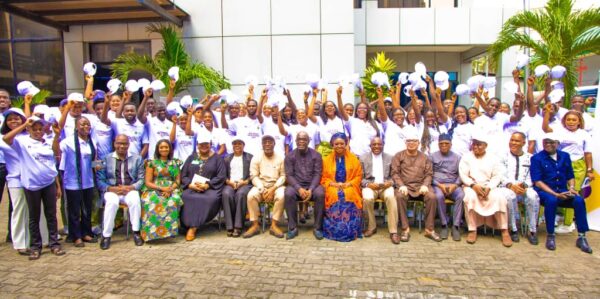
National Mentoring Day, established in 2014 and inaugurated in London in 2016, is observed globally on October 27 each year. The initiative promotes mentoring as a tool for empowerment and inclusion, aligning with the United Nations Sustainable Development Goal 10 (SDG 10), which seeks to reduce inequalities by creating equal opportunities for all through mentorship and knowledge transfer.