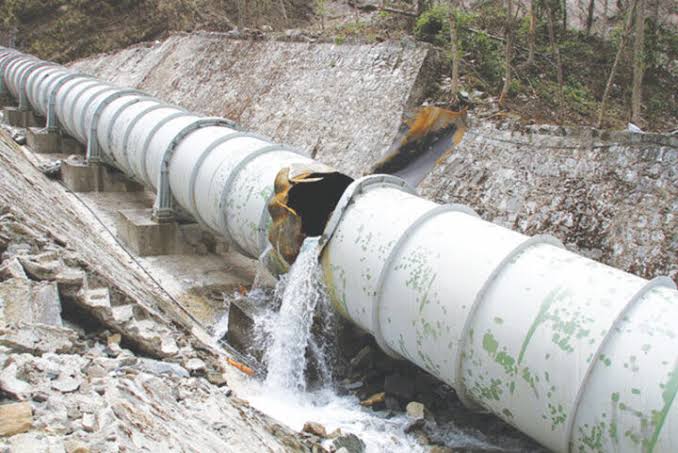
Nigeria’s state-owned oil company, NNPC Limited, says it has nearly wiped out crude oil theft on its pipeline network, a breakthrough that signals the end of years of massive revenue losses to vandalism and illegal bunkering.
The Group Chief Executive Officer of NNPC, Bayo Ojulari, disclosed the development on Monday at a regional security forum in Abuja, noting that pipeline and terminal receipts were now “attaining close to 100 per cent” after years of hemorrhage.
“This is a significant turnaround from three years ago, when in some cases only 30 per cent of crude pumped into pipelines got to the terminals,” he said, stressing that the losses had deprived the country of billions of dollars in revenue, according to earlier findings by the Nigeria Extractive Industries Transparency Initiative (NEITI).
Ojulari credited the progress to coordinated operations involving national defence and intelligence agencies, backed by private security firms engaged by the government since 2021. He described the fight against oil theft as an “internationally networked criminal enterprise” that required sustained vigilance.
The improved security environment has already lifted confidence in Nigeria’s production outlook. Official data showed that in June 2025, the country achieved 100 per cent crude pipeline availability, a feat that has substantially boosted output and profitability.
The Nigerian Upstream Petroleum Regulatory Commission (NUPRC) recently projected that production could surpass 2.5 million barrels per day by 2026, a level not seen since 2005, and more than double the 1 million barrels per day recorded at the peak of disruptions in 2016.
The clampdown on oil theft has also yielded tangible recoveries. In the first half of 2024 alone, security forces and private contractors retrieved over four million litres of stolen crude, according to government records.
Officials say the restoration of pipeline integrity is expected to accelerate approvals for new oil and gas projects, attract foreign investment, and strengthen Nigeria’s role in global energy markets.
“This transformation was not achieved overnight,” Ojulari said. “It has taken years of hard work, sacrifice, and cooperation with security agencies. But today, we can say confidently that the tide has turned.”