Nigeria’s state-owned oil company, the Nigerian National Petroleum Company Limited (NNPCL), recorded one of the largest asset expansions in its history in 2024, following a massive increase in capital spending that raised its property, plant and equipment (PPE) value to N104.5 trillion—up from N65.9 trillion the previous year.
The nearly N39 trillion boost in PPE, contained in the company’s newly released 2024 financial statements, was the major driver of a 55 percent rise in total assets, which climbed to N162 trillion. The surge underscores the scale of NNPCL’s refinery rehabilitation programme and its wider investment in pipelines and midstream infrastructure.
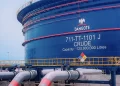
NNPCL has spent the past two years racing to revive the Port Harcourt, Warri, and Kaduna refineries, alongside upgrading petroleum pipelines and storage systems. The projects are central to the government’s plan to curb Nigeria’s fuel import bill, which hit an estimated N15.42 trillion in 2024—its highest level yet. The sharp rise in PPE indicates that the company capitalised a significant portion of its refinery and midstream spending during the year, as it works to restore domestic refining after nearly a decade of inactivity.
However, the expansion is being financed heavily by debt. NNPCL’s total liabilities rose by 60 percent to N123.3 trillion. The statement shows steep increases in borrowings, lease liabilities, and contract obligations, while decommissioning provisions jumped to N14.8 trillion, reflecting long-term environmental and asset-retirement commitments associated with the company’s aging infrastructure.
Liabilities grew faster than equity, which stood at N38.9 trillion—driven largely by revaluation gains rather than retained earnings. Despite the ballooning asset base, liquidity remained tight. Cash and cash equivalents inched up only slightly to N10.3 trillion, signalling the strain of funding large capital projects at a time of slow receivable recoveries.
Analysts say the balance-sheet expansion reflects NNPCL’s transition into a capital-intensive holding company but caution that the investments may not produce immediate financial returns. Nigeria’s refineries have been loss-making for more than a decade and are yet to operate at commercial capacity since rehabilitation works commenced.
“NNPCL is taking a big refinery bet,” said one Lagos-based energy analyst. “The critical question is whether these assets will become cash-generating or remain heavy but idle entries on the balance sheet. With debt levels rising, the company cannot afford operational underperformance once these refineries restart.”
NNPCL has yet to provide updated timelines for full commercial output across all its refineries, nor has it disclosed expected utilisation rates. Industry experts note that throughput volumes and cost efficiency will determine whether the PPE surge strengthens long-term profitability or deepens financial pressure.
Despite the risks, the aggressive capital investment reflects a strategic shift aimed at bolstering domestic energy security and reducing the country’s exposure to volatile global fuel markets.