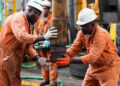
The Petroleum and Natural Gas Senior Staff Association of Nigeria (PENGASSAN) has warned that the country may soon face a major exodus of highly skilled oil and gas professionals as poor remuneration continues to push workers toward better-paying markets abroad.
President of PENGASSAN, Festus Osifo, issued the warning on Thursday while addressing journalists after the union’s National Executive Council (NEC) meeting in Abuja.
Osifo said the sector was under increasing pressure from the twin effects of naira devaluation and inflation, stressing that oil and gas skills remain globally competitive and easily exportable.
“A drilling engineer in Nigeria does the same job as one in the U.S. or Abu Dhabi,” Osifo said, noting that the widening wage disparity was making the sector vulnerable. “If we don’t act, the brain drain seen in other sectors will be child’s play.”
He said the union had secured several collective bargaining wins across government agencies, international oil companies (IOCs), and the service and marketing sectors — agreements that have offered some relief amid rising living costs.
PENGASSAN, he said, remained committed to protecting members’ jobs and improving their pay, even as he urged companies delaying salary reviews to act in line with economic realities.
“This industry recruits the best. Companies must provide the best conditions,” he said.
On national security, Osifo called for firmer government action against terrorism, kidnappings and rising insecurity nationwide. He criticised repeated condemnations without tangible results, insisting that authorities must expose sponsors and strengthen protection for citizens.
He said state police had become necessary to boost local response to insecurity, adding that decentralising policing structures would yield better results than continuous rhetoric.
Osifo also warned that economic gains would remain meaningless if food prices stayed high and farmers were unable to return to their farmlands due to insecurity.
“Nigerians want to see food on the table, not macroeconomic figures,” he said, urging government to align fiscal and monetary policies so that national economic progress can translate into real household welfare.
“Translate macro results to food on the table,” he added.