The trillion-dollar ship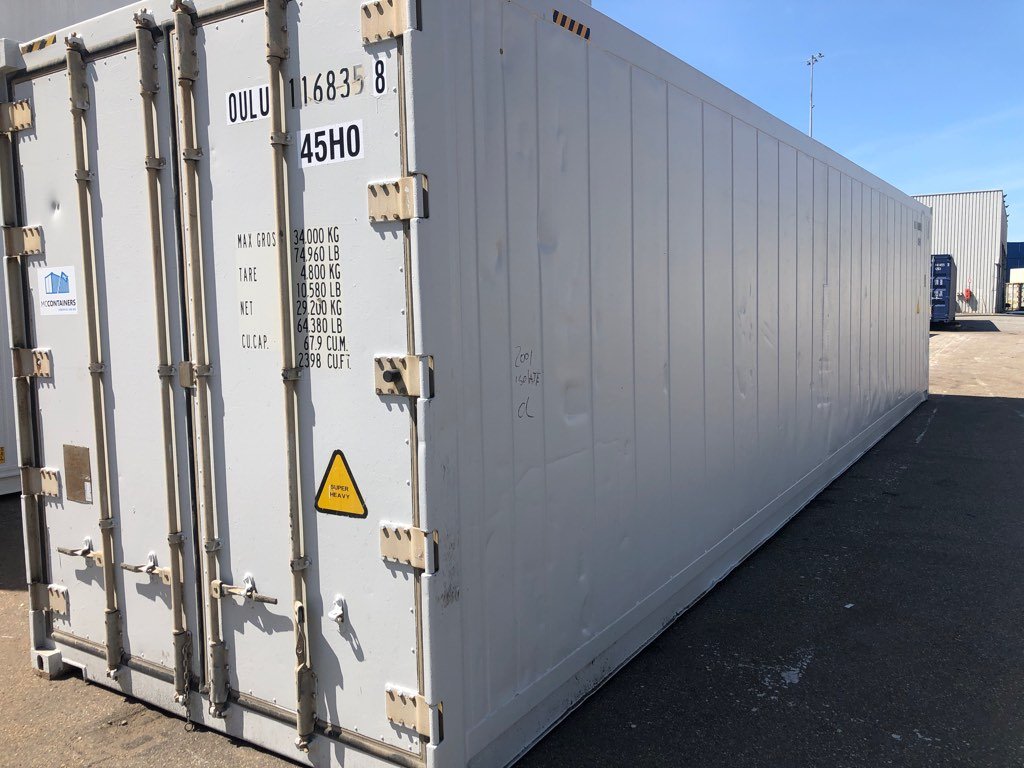 ping industry transports a wide variety of goods all over the globe. Regardless of whether the goods are meant to be kept hot or cold, dry or wet, packaged or fresh, this industry covers it all.
But transporting so many commodities is not as simple as filling shipping containers with various goods, and then loading them on container vessels.
What do you do if you have to maintain certain products at a sub-zero temperature?
They cannot be transported in the same container alongside items meant to be stored at room temperature. The solution is to transport similar goods in the same container.
And this is where insulated shipping containers come into play.
Without them, it would be near impossible to ship a large variety of items.
In this article, we will go through the various uses, features and types of such containers, that play an integral role in the global shipping industry.
Why do we Need Insulated Shipping Containers?
To understand why a large amount of logistic spending goes on maintaining an insulated and temperature-controlled state for certain goods, let us look at the main products that use this facility.
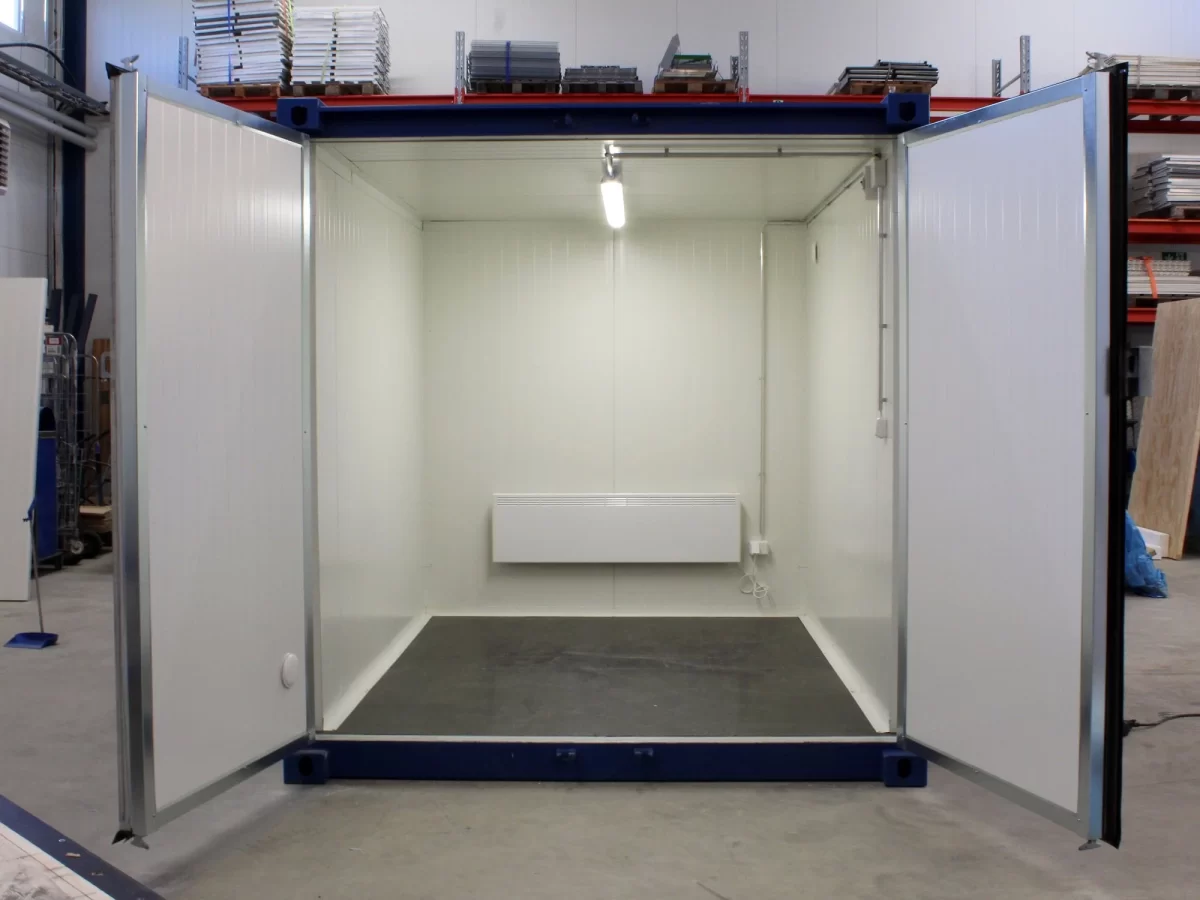
Pharmaceutical products, fresh produce, beverages, frozen goods, and chemicals often need to be maintained at specific temperatures. They also need to be protected from contamination, by ensuring that air entering and leaving the container is filtered. This is where insulation plays an important role. It completely seals a shipping container off from the outside and helps maintain a fixed condition for the transported goods.
An important point that needs to be understood to comprehend temperature controls on insulated shipping containers is the cold chain. This term refers to a supply chain methodology that keeps certain goods in a permanent cold state throughout its journey from the supplier to the customer.
By retaining a cold condition, there are no abrupt temperature changes that might cause a variety of problems. For instance, frequent thawing and cooling cycles of food and other produce might cause spoilage.
For pharmaceutical drugs, their composition and reactions might change if the pills or medication are not kept below a certain temperature.
The main idea behind the cold chain is that low temperatures lock in freshness for produce, prevent the growth of bacteria, maintain the required composition of drugs and medicines, help to transport fresh foods, and overall improve the shelf life of foodstuff.
To fully understand why insulation is necessary, let us take an example of a crate of apples coming from the US all the way to India.
While air transport is very useful in such circumstances, it can be difficult for suppliers to transport tons of apples. And so, it is easier to use ships and container vessels for transport.
The journey takes anywhere between 15 to 20 days and requires your package to cross over 15,000 kilometres. Generally, most apples would be spoilt rotten within the first week if they were to make this journey in a normal intermodal container.
However, shipping companies take all efforts to keep the apples fresh and ready for consumption. So, they hire insulated and temperature-controlled containers that have enough space to ship their entire consignment.
This refrigerated container, commonly called a reefer, maintains the apples at a fixed temperature and ensures that there is no external contamination, by fully insulating the container.
When the consignment finally reaches India after more than 2 weeks, it is in a proper state without being spoilt. Further, once the container is unloaded off the vessel and loaded on to the back of trailers, the cold chain must not be broken. So, the same insulated container continues to house the apples until it reaches the customer who transfers it to a cooled warehouse facility.
Throughout this journey, had there not been an insulated container that kept a fixed temperature state, it would have been near impossible to ship apples across the world. And that is why these containers form an important part of the global supply chain and shipping industry.
Although this was a relatively simple example of a crate of apples, the same goes for extremely expensive and essential goods such as pharmaceutical drugs and medicines. In fact, for such commodities, they also filter incoming air in addition to refrigerating the consignment.
Since unloading an entire container on to other smaller modes of transport can break a cold chain, most companies prefer to hire a full container, fill it with their goods, and then haul it to their warehouse facilities using trailers.