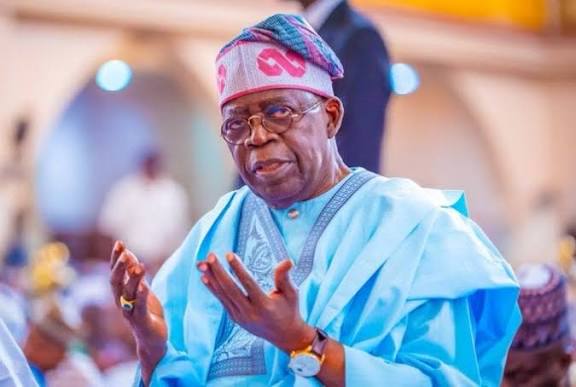
President Bola Tinubu is scheduled to inaugurate the $400 million Otakikpo Onshore Crude Oil Export Terminal in Rivers State on October 8, marking the first time in more than five decades that a new crude export facility is being commissioned in Nigeria.
The project, developed by Green Energy International Limited (GEIL), operators of the Otakikpo field in Oil Mining Lease (OML) 11, Ikuru town, Andoni Local Government Area of Rivers State, represents a milestone as the first wholly indigenous onshore terminal in the country since the Forcados Terminal, which came on stream in 1971.
The commissioning ceremony is expected to draw top government officials, including the Minister of State for Petroleum (Oil), Senator Heineken Lokpobiri, Rivers State Governor, Siminalayi Fubara, and critical stakeholders across the oil and gas industry.
According to a statement issued on Thursday by GEIL’s Executive Director of Legal and Corporate Services, Olusegun Ilori, the facility was conceived in alignment with President Tinubu’s ongoing reforms to boost national crude oil output, address long-standing evacuation challenges, and support indigenous participation in the sector. Ilori described the project as strategic infrastructure that reflects the administration’s commitment to raising production levels while tackling the high costs of oil evacuation.
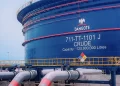
Industry experts have repeatedly identified evacuation bottlenecks as a major obstacle preventing the Federal Government from achieving its crude oil production target of three million barrels per day. The Otakikpo export terminal is expected to provide a lifeline for over 40 stranded marginal and independent oil fields across the Niger Delta region, creating a reliable evacuation outlet and unlocking millions of barrels of crude oil that have remained trapped underground due to infrastructure limitations.
Designed with an initial storage capacity of 750,000 barrels—expandable to three million barrels—and a loading capacity of 360,000 barrels per day, the terminal is projected to cut down production costs for indigenous operators and improve Nigeria’s competitiveness in the global oil market. Chairman and Chief Executive Officer of GEIL, Professor Anthony Adegbulugbe, described the project as a “game-changing national infrastructure,” stressing that its impact would extend beyond crude storage to unlocking stranded reserves and fostering greater contributions to the national economy.
The inauguration of the Otakikpo terminal comes at a time when Nigeria is grappling with declining production levels, rampant oil theft, vandalism of pipelines, and rising operational costs. Stakeholders believe the new facility will not only provide immediate relief for stranded producers but also signal renewed efforts by the Federal Government to restore investor confidence in the country’s petroleum sector, which has in recent years struggled to attract fresh investment despite its vast potential.