shippingposition
  • Home
  • News
  • Editorial
    • Vox Pop
  • Maritime safety
  • Oil and Gas
  • Personality
  • Health
No Result
View All Result
shippingposition

Home » UN Shipping Body Pushes ‘Safe Maritime Corridor’ Plan to Evacuate Ships Trapped West of Hormuz

UN Shipping Body Pushes ‘Safe Maritime Corridor’ Plan to Evacuate Ships Trapped West of Hormuz

by Joshua
March 23, 2026
in Coast To Coast

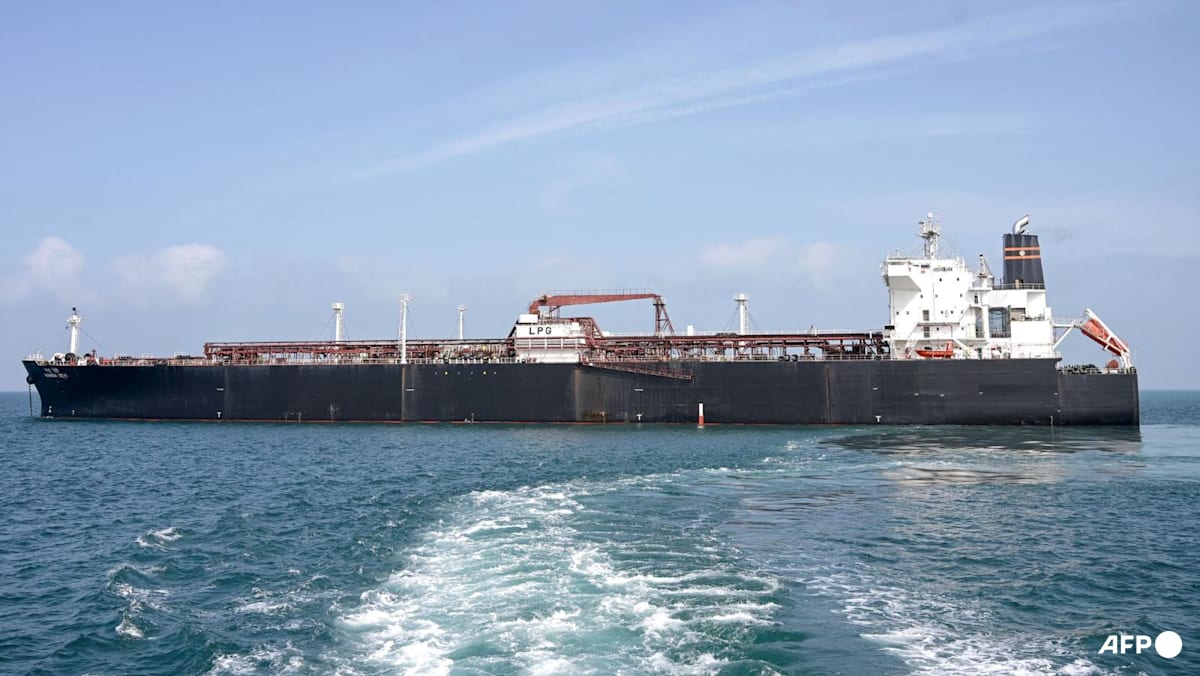
The UN International Maritime Organization is moving to establish a safe-passage framework for commercial shipping in the Strait of Hormuz, as thousands of vessels—and tens of thousands of seafarers—remain effectively stranded amid escalating attacks in the region.

The proposal, described as a “provisional and urgent measure,” emerged from an extraordinary session of the IMO Council held March 18–19 in London. Member states backed the creation of a “safe maritime corridor” aimed at helping merchant ships exit high-risk areas.

The idea, spearheaded by Bahrain, is straightforward: give vessels currently stuck inside the Gulf a coordinated way out—voluntary, non-military, and focused on reducing the risk of further attacks. The priority is protecting seafarers while restoring at least some level of commercial movement through one of the world’s most critical energy chokepoints.

IMO Secretary-General Arsenio Dominguez has been tasked with working with governments and industry stakeholders to get the framework moving, reflecting the urgency of the situation.

By the IMO’s estimates, roughly 20,000 seafarers across about 3,200 vessels remain stuck in the Gulf, dealing with growing security risks, operational bottlenecks, and mounting fatigue as the conflict drags on.

The push for a coordinated corridor comes as political pressure ramps up. In a joint statement released March 19, leaders from the United Kingdom, France, Germany, Italy, the Netherlands, and Japan condemned “in the strongest terms” attacks on commercial vessels and energy infrastructure, blaming Iran for what they described as a “de facto closure” of the Strait of Hormuz.

The group called on Iran to halt mine-laying, drone and missile attacks, and any actions blocking commercial shipping, while reaffirming that freedom of navigation is a fundamental principle of international law.

Notably, while the countries said they are “ready to contribute to appropriate efforts to ensure safe passage,” the statement stopped short of endorsing naval escorts or any specific security mechanism—leaving open how exactly safe transit would be achieved.

They also pointed to broader stabilization efforts, including the International Energy Agency decision to release strategic petroleum reserves and plans to boost output in coordination with producing nations.

That ambiguity comes as a more traditional military option appears increasingly difficult to assemble. Several key U.S. allies—including Germany, Spain, and Italy—have declined to send naval forces to escort commercial shipping through the Strait, despite calls from President Donald Trump. German officials cited a lack of mandate from the United Nations, European Union, or NATO, while also noting they were not consulted ahead of the escalation.

The reluctance highlights a key constraint: a large-scale naval escort operation—often viewed as the most direct way to reopen Hormuz—is not gaining broad international support.

That reality reinforces the IMO’s approach. Rather than relying on warship escorts or ad hoc transits, the proposed corridor would create a structured, internationally coordinated exit pathway for ships trapped inside the conflict zone—without requiring direct military involvement.

Traffic through the Strait has already dropped off sharply. War-risk insurance constraints, combined with continued attacks involving missiles, drones, mines, and projectiles, have made transits increasingly difficult to justify.

The IMO has been clear that the goal is to de-risk commercial shipping without further militarizing the waterway, leaning instead on coordination and deconfliction between stakeholders.

That said, the politics remain complex. Some member states raised concerns during the Council session, underscoring just how difficult it will be to implement any kind of corridor in an active conflict zone.


Related Posts

MSC Group Buys Into World’s Fastest-Growing Tanker Owner

MSC Group Buys Into World’s Fastest-Growing Tanker Owner

March 23, 2026
Panama’s President Hits Back At Hutchison Over Arbitration ‘Lies’

Panama’s President Hits Back At Hutchison Over Arbitration ‘Lies’

March 23, 2026
Hapag-Lloyd First Half Profit Triples, But Uncertainties Abound

India Secures Hapag-Lloyd Tie-Up In Latest Liner Move

March 23, 2026
‘Inaction Is Not an Option’: IMO Condemns Hormuz Attacks as Crisis Deepens

‘Inaction Is Not an Option’: IMO Condemns Hormuz Attacks as Crisis Deepens

March 23, 2026

Latest News

Lagos Moves to Tap ECOWAS Trade Potential as Private Sector Pushes for Designated Transport Hubs

Lagos Moves to Tap ECOWAS Trade Potential as Private Sector Pushes for Designated Transport Hubs

April 4, 2026

Ogun Customs Records 266% Export Growth Amid Intensified Anti-Smuggling Operations

Glasgow 2026: Adeniyi Backs Team Nigeria Ambassadors, Reaffirms Commitment to Sports Development

NSC Moves to Revive ICTN, Targets Full Implementation Before Year-End

Oyetola Links 160% Revenue Surge to Reforms

Oyetola: Port Modernisation Extends Beyond Lagos, Eastern Ports Set for Upgrade

Oyetola Demands Measurable Results, Signs Performance Bonds with Maritime Agency Heads

FG Unveils New National Shipping Line Plan as NPA Nears Port Community System Rollout

Navy Intercepts 15,000 Litres Of Illegal Fuel In Rivers

Osagie Urges PR Professionals to Drive Maritime Sector Transformation Through Strategic Branding

PHOTO NEWS

ICS, ITF Meet Gulf States To Address Shipping Crisis As 20,000 Seafarers Remain Stranded In The Gulf

kindly like our Facebook page

Health

Report Finds Hypertension Affects Up To 40% Of Nigerian Adults In 2025
Health

Stress Management: Psychiatrist Identifies Effective Coping Mechanisms

March 16, 2026

A consultant Psychiatrist, Dr Stephen Oluwaniyi, has identified stress as a risk factor for developing mental health conditions, advising that...

Report Finds Hypertension Affects Up To 40% Of Nigerian Adults In 2025

Report Finds Hypertension Affects Up To 40% Of Nigerian Adults In 2025

March 16, 2026
Lemons Are Among Fruits That Have The Highest Healing Powers Of Diseases On Earth

Lemons Are Among Fruits That Have The Highest Healing Powers Of Diseases On Earth

March 9, 2026
Nigeria Reports Higher Lassa Fever Death Rate

Nigeria Reports Higher Lassa Fever Death Rate

March 9, 2026
The Big Question: Can Diabetes Be Reversed?

Some Early Warning Signs of Diabetes That You Don’t Know, But Should

March 2, 2026
Why Your Favourite Seasoning Cubes May Be Hurting Your Kidneys

Why Your Favourite Seasoning Cubes May Be Hurting Your Kidneys

February 23, 2026
SHOCKING: FIIRO Links High Rates of Organ Failure, Cardiovascular Diseases in Nigeria to Local Grinding Machines

SHOCKING: FIIRO Links High Rates of Organ Failure, Cardiovascular Diseases in Nigeria to Local Grinding Machines

February 23, 2026
MONDAY INTERVIEW: Oyebamiji Did Not See The Media As Adversaries, But As Partners In Development”—Minister Oyetola

DANGER: 11% Of Nigerians Have Kidney Disease – Experts

February 16, 2026
Snakebite Envenoming, Silent Killer In Nigeria – Expert Warns

Snakebite Envenoming, Silent Killer In Nigeria – Expert Warns

February 9, 2026
World Cancer Day: Cancer Not Always Death Sentence  Says Oncologist

World Cancer Day: Cancer Not Always Death Sentence  Says Oncologist

February 9, 2026

© 2021 Shippingposition

Navigate Site

  • Home
  • About Us
  • Contact us
  • Privacy Policy
  • Editorial Policy
  • Sitemap
  • Terms

Follow Us

No Result
View All Result
  • News
  • Coast To Coast
  • Oil and Gas
  • Maritime Education
  • The Terminals
  • Maritime safety

© 2021 Shippingposition