By Oluyinka Onigbinde
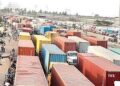
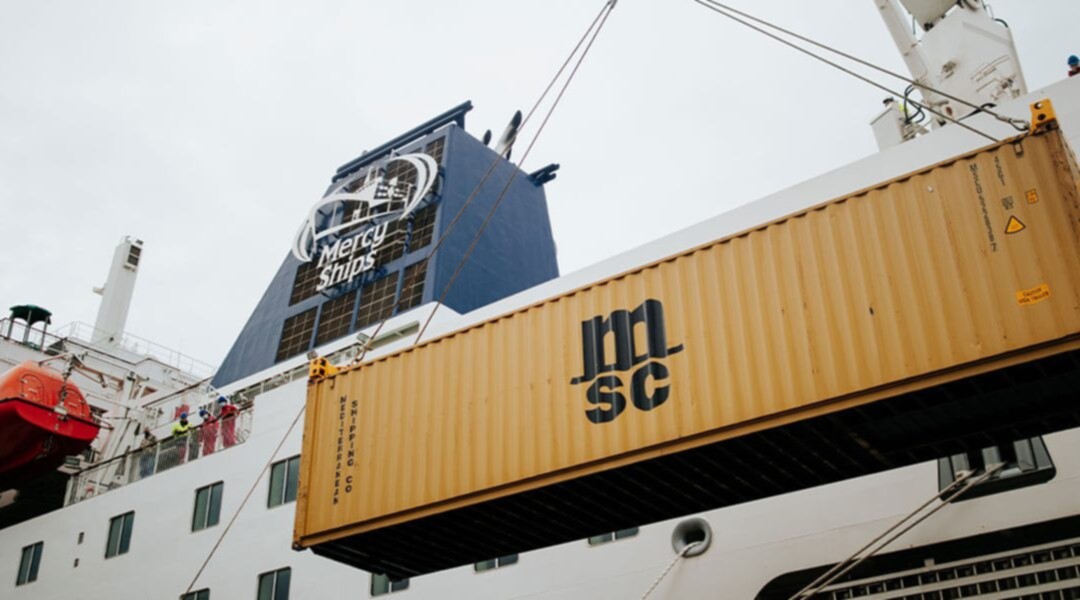
Operations at the Tin Can Island Port axis in Lagos are facing mounting pressure as congestion worsens, following widespread accumulation of empty containers linked to the Mediterranean Shipping Company (MSC). Freight operators say the situation is disrupting cargo movement and pushing logistics costs to unsustainable levels.
Stakeholders who spoke over the weekend, including the National Publicity Secretary of the Association of Nigerian Licensed Customs Agents (ANLCA), Mr. Emmanuel Onyeme, attributed the development to what they described as a growing imbalance in MSC’s vessel operations and container evacuation pattern.
According to him, several terminals within the port—among them TICT Terminal, Ports and Cargo handling facilities, and Five Star Logistics Terminal—have reportedly suspended the acceptance of MSC empty containers due to severe space constraints.
He explained that MSC vessels often discharge large volumes of containers on arrival, but evacuate significantly fewer on departure, leading to a continuous build-up of empty boxes within the port environment. This, he said, is now affecting both import and export cargo flows, with some export goods reportedly stranded inside MSC containers.
The ripple effect, he added, has been felt sharply in transport and haulage costs. Movement of containers within the Tin Can Port complex has surged dramatically, with internal transfers now costing as much as ₦500,000, while evacuation to inland locations such as Ikeja reportedly goes as high as ₦1.5 million.
Onyeme described the situation as worsening daily, noting that transporters are increasingly reluctant to handle MSC containers due to delays, storage charges, and turnaround inefficiencies. He also alleged that the backlog is contributing to gridlock along access routes, as trucks struggle to find space for loading and offloading.
He further claimed that while MSC refers operators to its designated depot, MEDLOG, stakeholders on the ground say there is limited or no functional space available for container drop-off, worsening the congestion.
In addition, he alleged that some security personnel at the Nigerian Ports Authority (NPA) access gate are taking advantage of the situation by imposing unofficial charges on truck operators attempting to move or discharge MSC containers.
Meanwhile, the association has also rejected any proposed increase in shipping tariffs, arguing that shipping lines are not sufficiently investing in port infrastructure or evacuation logistics to justify higher charges.
The Secretary of ANLCA at Tin Can Port, Mr. Franky Paul Nwegbe, confirmed that an official complaint is being prepared for submission to the Nigerian Shippers’ Council, warning that the situation is already affecting export operations and terminal efficiency.
Similarly, the Association of Maritime Truck Owners (AMATO) expressed concern over the growing congestion. Its National Secretary, Comrade Muhammed Bala Sanni, said truck operators are increasingly avoiding MSC containers to protect their businesses from delays and financial losses.
He noted that the lack of designated holding space for empty containers has made operations difficult, adding that many transporters risk revenue loss due to extended truck turnaround times and accumulating charges.