shippingposition
  • Home
  • News
  • Editorial
    • Vox Pop
  • Maritime safety
  • Oil and Gas
  • Personality
  • Health
No Result
View All Result
shippingposition

Home » AfCFTA SHOCKER: South Africa, Kenya, Ghana, Egypt Beat Nigeria Silly In Certificates Of Origin  

AfCFTA SHOCKER: South Africa, Kenya, Ghana, Egypt Beat Nigeria Silly In Certificates Of Origin  

·         South Africa issues 4000, Nigeria 37

by Joshua
June 1, 2026
in Featured, News

By Oluyinka Onigbinde

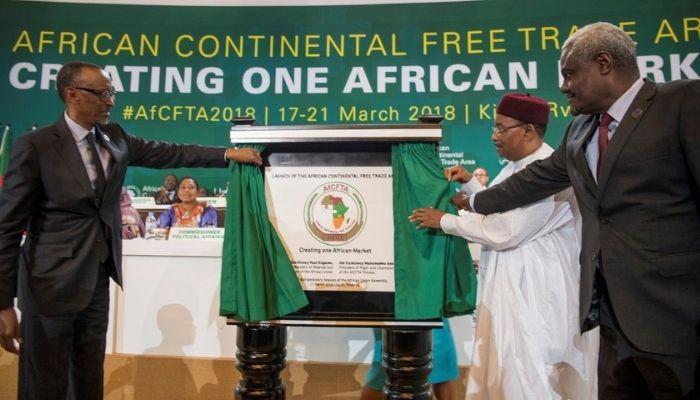
Investigation by Shipping Position Daily has revealed a widening gap in Africa’s trade integration drive under the African Continental Free Trade Area (AfCFTA), with Nigeria significantly underperforming in the issuance of Certificates of Origin, compared to leading economies on the continent.

Data obtained from trade monitoring sources indicate that about 8,500 Certificates of Origin have so far been issued across Africa under the AfCFTA framework. The certificate is a key instrument that certifies the local content of exported goods and qualifies them for preferential tariff access within the continent.

However, fresh confirmation from the Nigeria Customs Service shows that Nigeria has issued only about 37 Certificates of Origin to date, a figure that sharply contrasts with Nigeria’s peers and underscores what stakeholders describe as weak implementation and poor coordination of the AfCFTA framework in the country.

In comparison, South Africa has issued over 4,000 Certificates of Origin, accounting for nearly half of the continental total. Egypt, Kenya, and Ghana also maintain significantly higher utilisation rates, placing Nigeria far behind despite its position as Africa’s largest economy.

The disparity has raised concerns among maritime operators, exporters, and trade facilitators, who warn that Nigeria risks missing out on the benefits of a unified African market if urgent reforms are not undertaken.

Stakeholders argue that the responsibility lies with Nigeria’s AfCFTA implementation structure, which they say has failed to effectively drive adoption, streamline processes, and build awareness among exporters.

According to them, the system remains constrained by bureaucratic bottlenecks, limited automation, and weak inter-agency coordination, all of which continue to discourage exporters from accessing the trade benefits embedded in the agreement.

A maritime trade stakeholder; Ayo Oni who spoke to Shipping Position Daily described Nigeria’s performance as “a clear case of implementation failure,” noting that other African countries have moved faster to integrate digital systems and simplify certification procedures.

He said: “The problem is not the AfCFTA itself, but Nigeria’s implementation structure. While countries like South Africa have automated and simplified their processes, Nigeria is still battling manual procedures, delays, and poor sensitisation of exporters.”

He added that unless urgent corrective measures are taken, Nigeria risks becoming a passive participant in intra-African trade while more organised economies dominate exports under the agreement.

He noted that the situation is further compounded by structural challenges such as high production costs, inadequate logistics infrastructure, port congestion, and overlapping regulatory frameworks, all of which continue to undermine export competitiveness.

He called on the Federal Ministry of Industry, Trade and Investment, Nigeria Customs Service, and AfCFTA coordinating bodies in Nigeria to urgently overhaul the certification process through full digitalisation, stronger stakeholder engagement, and improved policy coordination.

He warned that failure to act decisively could weaken Nigeria’s long-term position in the emerging African single market estimated at over $3 trillion, effectively surrendering competitive advantage to better-prepared economies.

Our correspondent observed that with South Africa issuing more than 4,000 Certificates of Origin compared to Nigeria’s 37, the disparity reflects not just trade documentation gaps, but deeper concerns about execution capacity and institutional effectiveness within Nigeria’s AfCFTA framework.



Related Posts

MARAN Sets June 23 for Leadership Inauguration, Pushes Ethical Reporting Agenda

MARAN Sets June 23 for Leadership Inauguration, Pushes Ethical Reporting Agenda

June 1, 2026
Terminal Operators Risk Losing Operational Space as Lagos Port Modernization, Reconstruction Begins — Investigation

Terminal Operators Risk Losing Operational Space as Lagos Port Modernization, Reconstruction Begins — Investigation

June 1, 2026
Two Weeks After PEBEC Clean-Up: Gridlock, Illegal Checkpoints Returns At Lagos Port Corridors     

Two Weeks After PEBEC Clean-Up: Gridlock, Illegal Checkpoints Returns At Lagos Port Corridors     

June 1, 2026
Nigeria, Liberia Strengthen Regional Maritime Cooperation as NIMASA Pushes African Integration Agenda

Nigeria, Liberia Strengthen Regional Maritime Cooperation as NIMASA Pushes African Integration Agenda

June 1, 2026

Latest News

MARAN Sets June 23 for Leadership Inauguration, Pushes Ethical Reporting Agenda

MARAN Sets June 23 for Leadership Inauguration, Pushes Ethical Reporting Agenda

June 1, 2026

AfCFTA SHOCKER: South Africa, Kenya, Ghana, Egypt Beat Nigeria Silly In Certificates Of Origin  

Terminal Operators Risk Losing Operational Space as Lagos Port Modernization, Reconstruction Begins — Investigation

Two Weeks After PEBEC Clean-Up: Gridlock, Illegal Checkpoints Returns At Lagos Port Corridors     

Nigeria, Liberia Strengthen Regional Maritime Cooperation as NIMASA Pushes African Integration Agenda

CRFFN Records 18-Month Reform Gains, Verifies 500 Freight Forwarders, Clears N490m Salary Arrear

Seven Months After Launch, Omi Eko Project Yet To Commence Physical Construction

Operators Defend NIWA’s Regulatory Powers As Supreme Court Restricts FG On Waterfront Lands

OPINION: The Anchor of Dependency: Rethinking Nigeria’s Port Financing Strategy  

Nigeria Needs Deep Seaports, But Not This Number

MONDAY INTERVIEW:“You cannot negotiate tariff increments without involving the real owners of the cargo”—Mr. Joseph Ajoku

NCDC Places States On High Ebola Preparedness Alert Over Importation Risk

kindly like our Facebook page

Health

Ovarian Cancer: Why Nigerian Women Are Dying In Silence
Health

Ovarian Cancer: Why Nigerian Women Are Dying In Silence

May 18, 2026

For some months, Ms Sadijeamin Okobalosheh dismissed the constant heaviness in her lower abdomen as a “spiritual load” or the...

Beware: ‘Agbo’ Can Kill Asthmatics, Inhalers Save Lives — Pulmonologist

WARNING: No Amount Of Sex, Special Diet Can Prevent Prostate Cancer

May 11, 2026
Beware: ‘Agbo’ Can Kill Asthmatics, Inhalers Save Lives — Pulmonologist

Beware: ‘Agbo’ Can Kill Asthmatics, Inhalers Save Lives — Pulmonologist

May 11, 2026
Why Nigerians Must Reduce Excessive Salt Intake – Public Health Expert

Why Nigerians Must Reduce Excessive Salt Intake – Public Health Expert

May 4, 2026
Nigeria, 9 Others Account For 70% Global Hepatitis B deaths —WHO

Nigeria, 9 Others Account For 70% Global Hepatitis B deaths —WHO

May 4, 2026
Your Stool Determines The State Of Your Health

World Liver Day 2026: Low Awareness Threatens Fight Against Liver Disease – Experts

April 27, 2026
Your Stool Determines The State Of Your Health

Your Stool Determines The State Of Your Health

April 27, 2026
WARNING: High-Salt Diet May Speed Memory Decline In Men

WARNING: High-Salt Diet May Speed Memory Decline In Men

April 20, 2026
8% Nigerians Live With Diabetes – Official

8% Nigerians Live With Diabetes – Official

April 20, 2026
SALT USAGE ADVISORY: WHO, NAFDAC Warns Against Excessive Salt Intake, Recommends 1 Teaspoon Of Salt Daily

Some Health Benefits of Tomatoes?

April 13, 2026

© 2021 Shippingposition

Navigate Site

  • Home
  • About Us
  • Contact us
  • Privacy Policy
  • Editorial Policy
  • Sitemap
  • Terms

Follow Us

No Result
View All Result
  • News
  • Coast To Coast
  • Oil and Gas
  • Maritime Education
  • The Terminals
  • Maritime safety

© 2021 Shippingposition