By Oluyinka Onigbinde
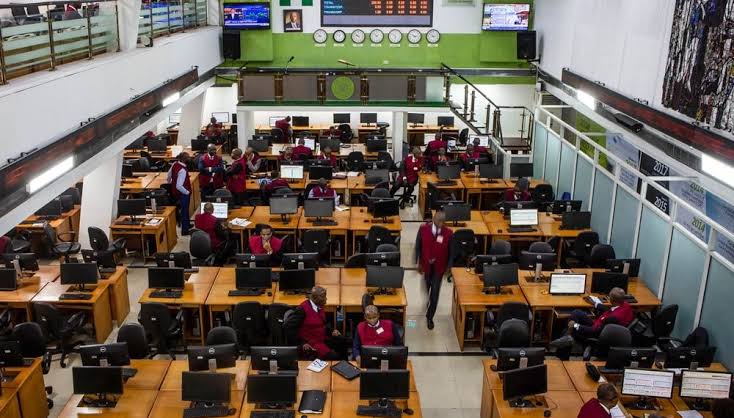
The Nigerian Exchange capped off a historic week of trading on Friday afternoon, cementing its newly minted status as the world’s best-performing equity market in dollar terms so far this year. According to data tracking ninety-two global indexes, a massive sixty-seven percent year-to-date dollar return propelled Nigeria past South Korea this week to lead global equity rankings. Local investors also booked a staggering 6.3 trillion Naira in capital gains over just four days, driving total market capitalization to a staggering 156.52 trillion Naira before a wave of afternoon profit-taking slightly cooled the bourse.
The benchmark All-Share Index paused its aggressive multi-day rally just before the weekend bell, ticking down a marginal 0.02 percent to close at 243,914.89 points, down slightly from Thursday’s close of 243,958.73 points. Despite the microscopic drop in the headline index, underlying market sentiment remained resiliently bullish, with seventeen stocks advancing against eleven decliners at the end of fourteen thousand, four hundred and one deals. International Breweries led the gainers, surging nearly ten percent to close at thirteen Naira and thirty Kobo per share, alongside Trans-Nationwide Express, which climbed 9.82 percent. Conversely, Thomas Wyatt Nigeria bore the brunt of Friday’s late-session selloffs, shedding ten percent to close at two Naira and forty-three Kobo.
Institutional fund managers attribute the dramatic equity boom to a potent combination of aggressive local fiscal reforms, improved foreign exchange liquidity, and a strengthening Naira, which has appreciated roughly four percent against the United States dollar this year. This hard-won currency stability has given foreign portfolio investors the confidence to return to Lagos, effectively reversing years of capital flight. At the same time, the Central Bank of Nigeria’s ongoing banking recapitalization exercise has transformed the financial services sector into a high-liquidity battleground. Investors are aggressively repositioning into fundamentally strong Tier-1 and Tier-2 lenders ahead of strict regulatory deadlines, making banking stocks the primary driver of market volume, a trend highlighted on Friday as Stanbic IBTC led the day’s total turnover value.
Further boosting market sentiment is a strong macroeconomic tailwind from firmer international crude oil prices, with Brent trading around seventy-one dollars and sixty-three cents a barrel, alongside a recent announcement by S&P Dow Jones Indices placing Nigeria on a watchlist for a potential upgrade back to Frontier Market status. While local analysts expect short-term technical pullbacks next week as traders look to lock in profits from this historic year-to-date run, the broader influx of global smart money suggests that confidence in Nigeria’s financial ecosystem is hitting heights not seen in a generation.