By Oluyinka Onigbinde
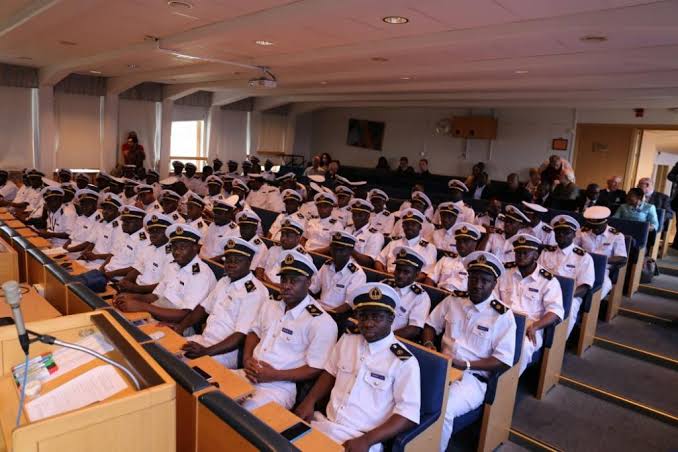
Ahead of the 2026 Day of the Seafarer celebration, maritime stakeholders and labour unions have identified inadequate vessel availability, poor international recognition of Nigerian certificates, regulatory inefficiencies and weak enforcement of industry standards as the major factors responsible for the persistent unemployment and underemployment of Nigerian seafarers.
Despite producing thousands of trained seafarers annually, industry experts say Nigeria has yet to build a maritime ecosystem capable of absorbing its growing seafaring workforce, leaving many qualified professionals unemployed or forced to seek opportunities abroad.
Speaking on the development, Chief Jonathan Agassi Peter, Board Member of the Alumni of Maritime Academy of Nigeria, Oron (AMANO), identified the lack of international recognition for Nigerian maritime certifications as one of the biggest barriers confronting indigenous seafarers.
According to him, many foreign shipping companies, and even some local operators, continue to place greater value on certificates obtained outside Nigeria, limiting employment opportunities for locally trained professionals and reducing their competitiveness in the global shipping industry.
Peter also pointed to bureaucratic bottlenecks in certification processes and the politicisation of key maritime institutions, noting that delays in issuing essential documents often prevent qualified seafarers from securing jobs on time.
He called for reforms that would strengthen maritime administration, improve institutional efficiency and enhance collaboration with international maritime organisations to boost the global acceptance of Nigerian certificates.
The maritime expert further identified Nigeria’s limited fleet size as another major contributor to unemployment in the sector, explaining that employment opportunities are directly linked to the number of vessels operating under the Nigerian flag.
According to him, while the country has continued to produce trained seafarers, the available ships are too few to absorb the increasing number of graduates entering the industry each year.
Peter added that high interest rates, limited access to shipping finance, ageing vessels and delays in regulatory approvals have discouraged investment in indigenous shipping, further shrinking employment opportunities.
He urged the government to introduce affordable financing for shipowners, simplify documentation processes and implement policies that would encourage fleet expansion and create more jobs for Nigerian seafarers.
Also speaking, Capt. Enisuoh Waredi, Director at Tantita Security Services, agreed that inadequate vessel availability and certification recognition remain the two biggest challenges confronting Nigerian seafarers.
He explained that while domestic employment depends largely on the number of operational vessels within the country, international employment is determined by globally recognised certifications and compliance with flag-state requirements.
According to Waredi, improving the international acceptability of Nigerian maritime qualifications would significantly expand employment opportunities for indigenous seafarers in the global shipping industry.
He expressed optimism that the situation would improve over time as more Nigerian seafarers gain international exposure and continue to demonstrate competence aboard vessels operating worldwide.
Meanwhile, the employment crisis has exposed growing tensions between maritime regulators and organised labour.
The Maritime Workers Union of Nigeria (MWUN) and the Nigerian Merchant Navy Officers and Water Transport Senior Staff Association (NMNOWTSSA) have announced plans to boycott the 2026 Day of the Seafarer celebration scheduled for June 25.
The unions accused the Nigerian Maritime Administration and Safety Agency (NIMASA) of failing to prioritise seafarer development, weak enforcement of safety regulations and poor implementation of the Collective Bargaining Agreement (CBA) designed to protect the welfare of Nigerian seafarers.
According to them, training for ratings has not received the attention it deserves, creating gaps in professional development and safety preparedness across the industry.
They also alleged that weak regulatory oversight has contributed to poor compliance with maritime safety standards and exposed seafarers to avoidable workplace risks.
The labour groups further criticised what they described as inadequate engagement between NIMASA and maritime employers, arguing that poor enforcement of the Collective Bargaining Agreement has left many seafarers without fair wages, decent working conditions and adequate welfare protection.
As the global maritime community prepares to mark this year’s Day of the Seafarer, stakeholders insist that the focus should move beyond celebration to addressing the structural issues undermining employment in the sector. They argue that without deliberate efforts to expand Nigeria’s shipping fleet, secure wider international recognition for local certificates, strengthen regulatory institutions and enforce industry labour standards, the country’s growing pool of trained seafarers will continue to face limited employment opportunities despite Nigeria’s enormous maritime potential.