Shell has called for deeper collaboration between international oil companies (IOCs) and indigenous operators to accelerate gas development and make the resource the cornerstone of Nigeria’s industrial and economic transformation.
The company emphasized that policy consistency, infrastructure investment, and partnership-driven models remain critical to unlocking Nigeria’s vast gas reserves and realizing its full potential as a driver of sustainable growth.
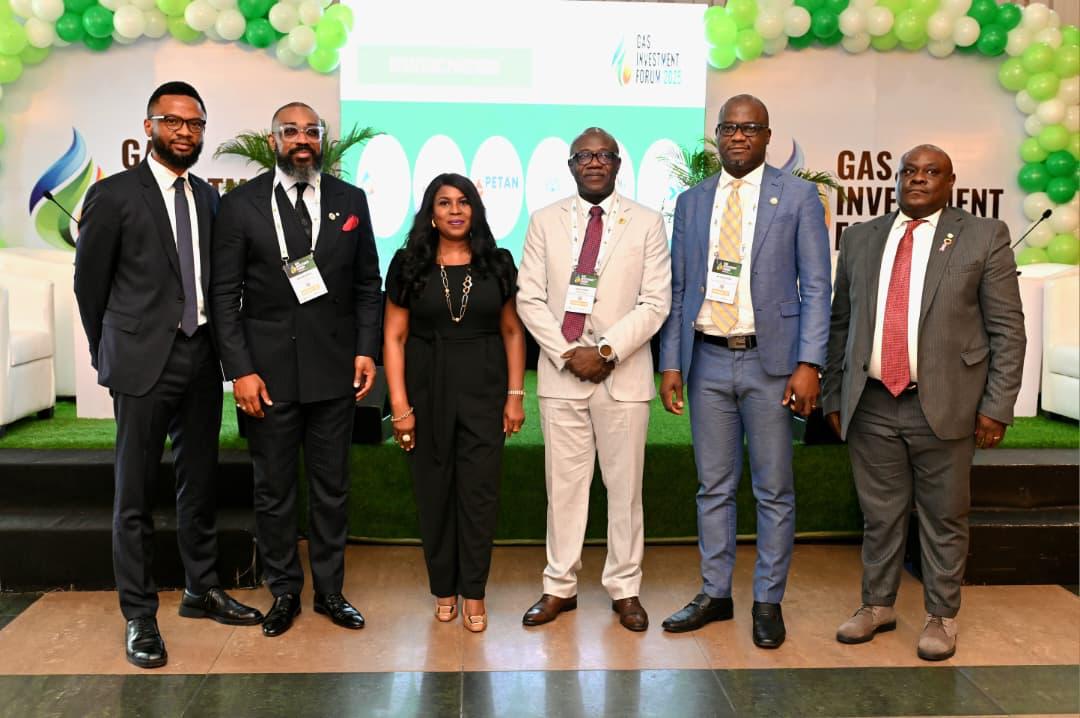
Speaking at the 3rd Gas Investment Forum held in Lagos, the General Manager of Shell Energy Nigeria, Markus Hector, represented by Chuka Amos-Ejesi, Head of Portfolio, Regulation and Supply, underscored the value of synergy between foreign and local players.
“There is a clear strategic case for collaboration,” Hector said. “IOCs bring international experience, deep capital reserves, and strong technical and risk management frameworks, while indigenous companies contribute local insight, agility, and operational flexibility suited to the Nigerian environment.”
He noted that such partnerships should also serve as a platform for building domestic capacity, particularly in engineering, supply chain, operations, and maintenance. “True collaboration must go beyond project execution; it should build capability and sustainability within the local ecosystem,” he added.
In his remarks, the Managing Director of Shell Nigeria Gas (SNG), Ralph Gbobo, disclosed that the company is expanding its gas infrastructure footprint to strengthen supply and support industrial growth across the country.
“SNG is developing infrastructure by building gas hubs in Port Harcourt, Aba, Ota, and most recently Yenagoa, with plans to extend to other cities,” Gbobo said.
He described infrastructure as the backbone of Nigeria’s gas industrialization journey, explaining that continuous investment will not only improve access but also reduce costs and emissions, making gas a more competitive and sustainable energy source for industries and communities.
Gbobo also stressed that policy stability and clarity are essential to attract long-term capital into the gas value chain. “Policy consistency is key for investors’ confidence, while effective collaboration will drive scale, innovation, and sustainability,” he said.
He reaffirmed Shell’s commitment to Nigeria’s energy transition and economic diversification, noting that gas remains central to achieving these objectives.
“Gas will continue to support Nigeria’s transition by providing reliable power and displacing more carbon-intensive fuels,” Gbobo stated. “It will drive job creation, industrial diversification, and regional trade. The success of this vision depends on continuous partnership between the public and private sectors.”