By Oluyinka Onigbinde
Apparently worried by proliferation of bonded terminals and the nefarious service they currently serve, maritime industry stakeholders have alleged that powerful drug cartels are now embedded within the system, using licensed customs agents and complicit operators to import and distribute illicit pharmaceuticals.
The disclosure comes just as the Nigeria Customs Service (NCS) intensifies its clampdown on such off-dock facilities, with the Comptroller-General Adewale Adeniyi banning pharmaceutical cargo movement to such terminals and threatening license revocations for offenders.
In a sweeping indictment of the bonded terminal operations, maritime expert and former president of National Association of Government Approved Freight Forwarders (NAGAFF), Eugene Nweke, raised alarm that bonded terminals have become active tools in the hands of transnational drug syndicates.
According to him, these syndicates—working hand-in-hand with compromised customs agents and local collaborators, have systematically hijacked the bonded terminal system to perpetrate large-scale smuggling of dangerous, expired, and unregistered pharmaceutical products into Nigeria.
He described the terminal operators enabling these crimes as “Merchants of Death,” echoing the words of the Customs Comptroller General, and called for an immediate structural overhaul of the entire framework governing bonded terminal licensing, monitoring, and oversight.
He alleged that, “illicit drug syndicates now partner with local accomplices and customs licensed agents to establish bonded terminals. “The entire bonded terminal system is being used to escalate drug trafficking in Nigeria. This is no longer just a customs matter, it is a national security emergency.”
Nweke noted that by leveraging the weak regulatory gaps and manual loopholes that still characterize many bonded terminal operations, these cartels bypass stricter mother-port scrutiny and operate under the guise of legitimate trade, distributing harmful substances across the country.
While the scandal has sparked outrage, some stakeholders are acknowledging that the rot within the system is not a recent development.
In a striking admission, the General Secretary of the Association of Bonded Terminal Operators of Nigeria (ABTON), Mr Haruna Omolajomo, threw his weight behind the Customs CG, insisting that erring bonded terminal operators deserve the sanctions.
Speaking in his personal capacity as an industry operator, Omolajomo said, “What the Comptroller-General has done is in order. If it were in the past, they would have shut down every bonded terminals in Nigeria. But he showed restraint and punished only the guilty.”
He likened the scenario to biblical betrayal, adding that, “for every 12 disciples, there must be a Judas Iscariot. That one terminal is guilty does not mean the entire sector should be condemned, but those caught must be dealt with decisively.”
Omolajomo’s position further confirmed what Nweke said that some bonded terminal operators have indeed veered off course, cutting corners and enabling criminal activities and importation of unwholesome pharmaceuticals.
The Customs CG had, during a media briefing after the seizure of 25 containers of illicit pharmaceuticals at the Apapa Port on July 11, announced that going forward, pharmaceutical imports would be restricted to Apapa and Onne ports, for direct clearance, while Tin Can Island and PTML would only be used only for similar cargo under tight control.
This effectively shuts out several bonded terminals from handling pharmaceutical imports; one of the most lucrative cargo segments in the supply chain.
The impact could be devastating. Available data as of 2022 indicate that Lagos alone hosts over 40 bonded terminals. Many of these were originally designed to decongest mother ports and create efficiency within the customs clearance system. But years of poor regulation, outdated licensing structures, and lack of digitized oversight have rendered many of them susceptible to abuse.
Industry sources estimate that the bonded terminal sector accounts for over ₦3.5 trillion in investment, most of which now hang in the balance, due to the latest policy direction. With pharmaceutical cargo volumes now being re-routed exclusively to mother ports, several terminal operators are staring at a potentially huge revenue loss in the short term—particularly those whose primary clients were pharmaceutical importers.
In some cases, these terminals had tailored their facilities for pharma-specific cargo, including cold-chain storage, medical repackaging, and specialized handling. With the new restriction, such investments may be rendered useless overnight.
Former National Secretary of the Association of Nigerian Licensed Customs Agents (ANLCA), Babatunde Mukaila, reinforced the Customs CG’s action, insisting that pharmaceutical imports were never supposed to leave mother ports in the first place. “Before now, the standard operating procedure (SOP) has always been to clear pharmaceuticals at the port of arrival—Apapa or Tin Can,” he said. “How they started ending up in bonded terminals is the real question. What the CG has done is simply restoring the SOP to protect Nigerians.”
Mukaila further dismissed fears that the policy would result in revenue loss. “There is no loss,” he said. “Pharmaceutical importers will clear their cargo straight from the port, faster and even cheaper. It will eliminate middlemen and prevent diversion.”
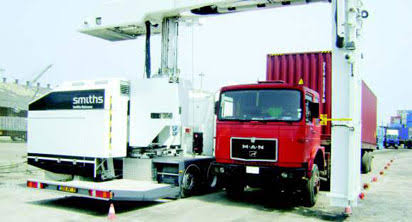
While the Customs Service has promised a review of the licensing framework and operational procedures of bonded terminals, including an upward review of outdated license fees, there are signs that more sweeping reforms may follow. These may include real-time cargo visibility tools, biometric access control, and mandatory digital integration between terminal operators and Customs systems—especially for cargo flagged as sensitive or controlled.