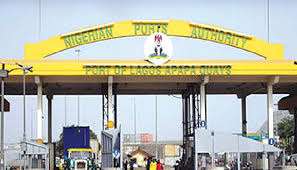
Last week, contract for the electronic call-up system for trucks operating in Lagos ports expired. It was for a five-year period, having been introduced in February 2021.
The contract was given to Messrs Truck Transit Park (TTP) Limited, to electronically manage movement of trucks into and out of Lagos Port Complex and Tin Can Island Port.
No sooner than the contract was signed, the operators immediately came up with a novel application called ‘eto’, an obvious adaptation of the Yoruba word for orderliness!
The eto was designed to eliminate human-to-human interface in truck scheduling for loading, a clear and significant departure from the usual manual practice in the ports.
There is no doubt that the implementation of “eto” has yielded positive results, including a notable decrease in traffic congestion and a reduction in haulage costs.
Yes, the electronic call up was a revolution. It changed the traffic management landscape of Apapa. No longer do we have articulated vehicles perpetually on queue on the approaches to the two ports in Apapa.
However, over the years, it became manifest that the handlers of eto, did not do well enough to make the system seamless and devoid of abuses. This has necessitated the calls in some quarters for an overhaul.
The call for an overall is not misplaced, it is also a confirmation of the fact that Messrs TTP has not done well to sustain the tempo it started with and allowing the challenges to overwhelm it. If eto had worked well (or is working well), there ought not to be any truck on the approaches to Apapa and Tin Can ports.
There is no doubt that there is a gross abuse of the ticketing and payment system, as well as the excesses of personnel of government agencies who have turned their assignments to a lucrative business of extortion. They have been joined by some non-state actors and a plethora of transport union officials, some of which never existed prior to the introduction of electronic call up system.
The electronic call up system is an IT-driven initiative, which requires regular upgrade. Apart from promises to upgrade, this newspaper is yet to see or hear from stakeholders that the eto is a top-of-the -range app.
All of the above have collectively and systematically made a mess of the electronic call-up system. This is certainly not the intent of Messrs Truck Transit Park Limited, which had committed its funds and expertise to the project, and had hoped that, at the end of the five year contract, it would be given the go-ahead to continue. This is currently hangimg in the balance, as the NPA remains evasive over the sensitive issue of renewal of the contract.
By and large, the eto has recorded major gains in port operations. It has reduced traffic gridlock, it has slashed haulage costs by about 65%, and engendered a significantly faster truck turnaround times, which used to be weeks. Now trucks turn-around time is about two days.
Similarly, whatever the flaws may be, the electronic call –up system has enhanced data integrity with unique truck identities (e-tags) and transaction numbers, thus preventing fraud and misuse. Added to this is the enhancement of port access and efficiency, which ultimately support Nigeria’s trade facilitation goals.
All these may be eroded, if and when Messrs Truck Transit Park Limited is sacked by the Nigerian Ports Authority.
For those calling for the sack of Messrs TTP Limited, our position is that, all said – The electronic call up system has been a revolution. However, both the NPA and the operators of the eto should go back to the drawing board and re-strategize.
On its part, the NPA should work with Messrs TTP about upscale the technology behind the eto call-up system. This is certainly the way to go, even as anxiety heightens over what may become of haulage system, if the contract is terminated.
Happily, we have seen any hiccup or frustration in movement of trucks into the ports in Lagos ports since the end of February when the contract ended. This is certainly because the spokesperson of the NPA; Mr Ikechukwu Onyemekara assured that there are clear provisions within the expired agreement with TTP to guarantee operational stability.
“There are options under the expired agreement to be adopted to ensure that necessary arrangements are in place for business continuity by the parties that would ensure that operations are not disrupted in any way,” Onyemekara said. This is very ingenuous and commendable on the part of the NPA.
He also described the review as a routine administrative process consistent with global best practices, noting that the Authority is committed to safeguarding the gains recorded since the introduction of the digital call-up system.
However, we think that electronic call up system and the uncertainty of the contract with Messrs TTP is more than a mere routine administrative process.
We unequivocally support the renewal of the contract. We are aware that some individuals with vested interests in haulage system in the ports have consistently called on the NPA to terminate the contract. A serious look at the individuals and the interest they represent reveal that these are the same interests who benefitted from the pre-electronic call up era.
While we are not privy to the rationale behind the delay in conveying the decision to renew the contract or sack the contractors, we are certain that a reversal to the pre-2021 era is not an option. Rather, NPA should sit with Messrs TTP to fine-tune the workings of the e call up. Since it is IT-driven, all that is required may just be an upgrade.