
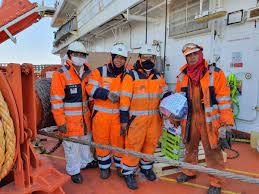
While maritime workers reap high rewards, and the life of being a seaman is an appealing prospect to many young people, there are problems faced by seafarers that can lead some to quit their lucrative jobs at sea. What leads these individuals to leave behind their dreams of working on a ship or oil platform?
1. Being Away from Home and Family
When you live and work at sea, your life is nomadic. Visiting distant ports of call is exciting, but missing your friends and family is one of the universal problems of a seafarer. Many people may eventually want to settle down on shore and not spend months away from their loved ones.
2. Physical Risks and Dangerous Injuries
Working onboard a vessel or floating oil rig is inherently more dangerous than most other professions.1 Maritime workers are frequently injured as a result of weather, improperly maintained equipment, and poorly trained crew members. Witnessing a serious accident or having a close call convinces many seamen to give up their jobs in favor of safer alternatives.
3. Politics and Conflicts on the Vessel
Life as a seafarer means living in close quarters with a captain and crew, and conflicts will arise. Personal and professional lines get blurred when you are with the same group of people 24/7. Despite being determined to steer clear of onboard politics, inability to do so is another reason some maritime workers leave their vessel.
4. Maritime Piracy
The modern shipping industry is still subject to piracy, and ships are hijacked or held for ransom on a regular basis.2 Cargo ships are essential to the supply chain, and passenger ships can also fall prey to pirates. While insurance can replace financial losses, the threat of piracy or an experience with it can make seafarers reconsider their career choice.
5. Strict Maritime Laws
Maritime laws are stringent and penalties for breaking them can be severe. A maritime worker might unknowingly break these laws or be part of a crew where the regulations are ignored. Fishing vessels, cruise lines, drilling rigs, and cargo ships operate under a vast set of changing requirements. Being imprisoned, fined, or suspended for breaking the law can bring a maritime career to a swift end.
6. Restricted Shore Leave
One of the traditional advantages of being a seafarer is the ability to see the world and visit exotic ports of call. In the past, shore leaves were longer than they are today. Now ship maintenance, loading, and unloading take place quickly and efficiently.
Strict health requirements and local regulations often prevent seafarers from reaching shore at all. Without this key advantage that made these individuals want to become maritime workers in the first place, many of them quickly find other work.
7. Personal or Health Issues
Over time, the hardships of life on a working ship or oil platform can cause health issues. Being chronically short on sleep, lacking fresh food, having inadequate medical care, and excessive work will wear down the human body. Many seafarers retire from their vessel due to these types of repetitive injuries or simple fatigue. Other times, they may quit their jobs at sea in order to take care of other family members who may need them at home.
8. Vessels with Insufficient Crew Members
Ship Captain Steering The BoatShipping companies seeking to increase profits are lowering the numbers of maritime workers they hire. This leads to an increase in work for the remaining seafarers, who must pick up the slack for the same amount of pay. Having fewer crew members than necessary complicates every task on board, may increase the risk of injury or death, and makes the other complaints of maritime workers even more difficult to bear.
9. Fatigue and Burn-Out
The combination of all of these factors leads many seafarers to quit their jobs at sea due to physical fatigue and mental burnout. There are minimum numbers of rest hours and a maximum number of work hours that maritime workers are entitled to, but these standards are often overlooked or ignored, speeding up the process of wearing out even the most dedicated crew member.
10. Suspension of Necessary Certificates or Licenses
Most seafaring jobs require a certificate of competency or COC. Masters, officers, and watch personnel will need a valid STCW, which stands for Standards of Training, Certification and Watchkeeping.3 Maritime workers who do not keep up on requirements to maintain their certification, or who have it suspended due to honest errors or unlawful actions, will most likely have to leave their vessel immediately.
Kindly like us on Facebook
















Discussion about this post