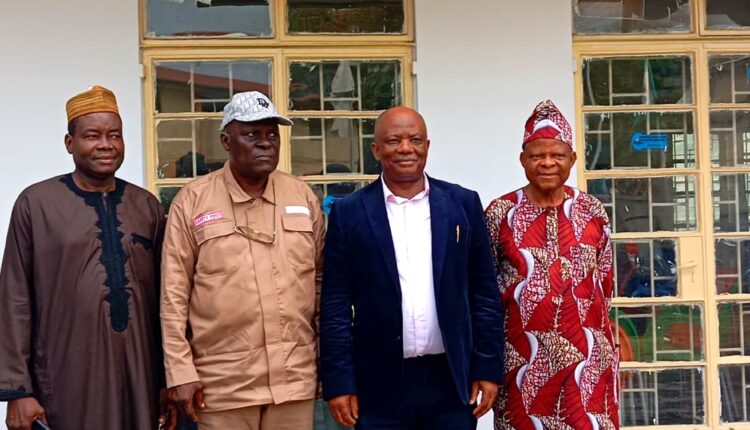
Secretary General of the Abuja Memorandum of Understanding (MoU) on Port State Control, otherwise called Abuja MOU; Captain Sunday Umoren has called for immediate investment in Africa’s port infrastructure and shipping fleet to meet the projected surge in trade demand under the African Continental Free Trade Area (AfCFTA).
This is even as he stressed the need for Africa to acquire at least 100 additional vessels to effectively support the AfCFTA initiative.
Speaking at the National Association of Masters Mariners (NAMM) 3rd Quarterly Paper Presentation in Lagos over the weekend, Umoren emphasized that without significant upgrades, Africa risks missing out on the full economic potential of AfCFTA, as current facilities are inadequate to handle the anticipated increase in intra-African freight volumes.
According to Umoren, the projected increase in intra-African freight demands will require significant expansion in the continent’s shipping capacity to enable seamless trade across African nations.
Citing the United Nations Conference on Trade and Development’s (UNCTAD) Review of Maritime Transport 2023, Umoren emphasized that if AfCFTA is fully-implemented, intra-African freight is expected to increase by 28%, with maritime freight demand rising by 62%. The current limitations in Africa’s shipping infrastructure, he pointed out, could hinder the economic potential of AfCFTA if adequate investments in ships and port facilities are not prioritized.
Umoren also underscored the importance of the maritime sector for Africa, given the continent’s vast coastlines and 38 coastal and island nations. He noted that a strengthened maritime infrastructure is essential to facilitate trade and regional integration, further advocating for investment in resilient, green, and efficient shipping solutions as part of a broader strategy for sustainable economic growth.
“Africa’s current fleet capacity is minimal, with just over 1% of the global merchant fleet, making us heavily dependent on foreign vessels for shipping. The AfCFTA presents an extraordinary opportunity for the growth of our blue economy, but this will only be achievable if we have sufficient local vessels and port facilities to manage increased trade volumes,” said Umoren.
To address these gaps, Umoren called for a robust investment framework that would encourage African nations to boost ship ownership, enhance port infrastructure, and foster greater collaboration between maritime stakeholders.
Additionally, Umoren outlined a roadmap for a sustainable maritime future, which includes adopting the Near Coastal Voyage (NCV) Code. According to him, this multilateral agreement among African nations would standardize maritime practices, enhance port operations, and limit dependency on foreign vessels in regional trade. The NCV Code would also create more employment opportunities within the region’s maritime sector and support local industries.
Umoren concluded by urging African governments, industry players, and financial institutions to align their strategies to build Africa’s maritime capacity, ensuring the continent can fully benefit from AfCFTA’s trade-liberalization goals.
Also speaking at the event, the President of NAMM, Captain Tajudeen Alao highlighted key challenges facing the Nigerian shipping industry, emphasizing the need for stronger market access, ship availability, and improved manpower to unlock the sector’s potential.
Captain Alao pointed out that the Federal Government and the Nigerian shipping authorities have limited control, resulting in a lack of coordination and sustainability in trade. He stressed that though the market is present, there is an urgent need for more ships to meet demand.
“We have the market, but the ships are not there,” Captain Alao stated, referencing the data from global institutions such as the World Bank and the IMF, which highlight the current gaps in ship ownership and financing.
Another concern raised by Captain Alao was the limited capacity of Nigeria’s coastal trade, or Near Coastal Voyage. He explained that under current maritime conventions, ships are restricted from operating beyond 30 miles from the coastline, with new regulations further reducing this range to 15 miles from the port of refuge. This restriction, he argued, hampers the development of inter-regional trade and creates significant challenges for vessels operating along Nigeria’s coastline, particularly for those making longer voyages such as from Lagos to Port Harcourt.
The NAMM President also discussed the broader opportunities for Nigerian shipping within the AfCFTA, noting that it presents a major shipping opportunity for the continent, with potential for greater regional integration in maritime operations.
However, for Nigeria to fully capitalize on this opportunity, Captain Alao stressed that there is a need for updated legal frameworks and better cooperation at the diplomatic level to address the jurisdictional challenges in the maritime industry.
Captain Alao further elaborated on the long-standing issue of shipping codes and certifications, mentioning how ships from countries like Ghana, Kenya, and Uganda have historically operated with Nigerian ships, as both countries shared maritime certification from the UK. However, with the global maritime industry constantly evolving, he warned that unless Nigeria adjusts its policies to reflect current international standards, the nation risks being sidelined in the continental shipping space.
Despite these challenges, Captain Alao remained optimistic about the potential of the maritime sector to generate wealth. “There is no quick money in shipping, but through the multiplier effect, shipping creates employment and wealth,” he explained, emphasizing that the shipping industry has the potential to uplift many sectors of the economy, providing long-term economic growth.